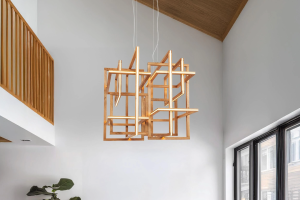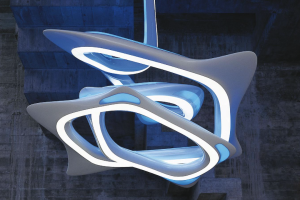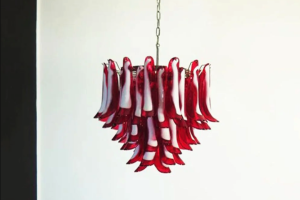
Captivating Nordic Molecular Chandelier: A Modern Design Marvel
Nordic design, characterized by its simplicity, functionality, and connection to nature, has roots that trace back to the early 20th century. Emerging from the Scandinavian countries—Denmark, Sweden, Norway, Finland, and Iceland—this design philosophy was heavily influenced by the social and cultural movements of the time. The aftermath of World War I and the onset of the Great Depression led to a collective desire for practicality and affordability in design.
Designers sought to create pieces that were not only aesthetically pleasing but also accessible to the masses. This ethos was encapsulated in the concept of “form follows function,” which became a guiding principle for many Nordic designers. The 1950s marked a significant turning point for Nordic design, as it gained international recognition.
Influential figures such as Alvar Aalto, Hans Wegner, and Arne Jacobsen began to showcase their work at exhibitions like the Milan Triennale. Their designs emphasized clean lines, organic forms, and a harmonious relationship with the surrounding environment. The use of natural materials such as wood, leather, and textiles became prevalent, reflecting a deep respect for nature and sustainability.
This period also saw the rise of the “Scandinavian Modern” movement, which celebrated minimalism while incorporating elements of warmth and comfort, setting the stage for future innovations in design.
The Evolution of Molecular Chandeliers
Molecular chandeliers represent a fascinating intersection of art and science in lighting design. Their evolution can be traced back to the mid-20th century when designers began experimenting with new materials and forms that deviated from traditional chandelier designs. The initial concept was inspired by molecular structures, where interconnected elements create a cohesive whole.
This idea resonated with the growing interest in modernism and abstract art, leading to the creation of lighting fixtures that were not just functional but also sculptural. As technology advanced, so did the possibilities for chandelier design. The introduction of LED lighting revolutionized the way chandeliers could be constructed and illuminated.
Designers began to explore innovative configurations that allowed for greater flexibility in shape and size. The molecular chandelier emerged as a popular choice for contemporary spaces, combining geometric forms with a sense of lightness and transparency. This evolution reflects a broader trend in interior design where lighting is no longer merely an afterthought but a central element that can define a room’s character.
The Unique Features of the Nordic Molecular Chandelier
The Nordic molecular chandelier stands out due to its distinctive blend of minimalist aesthetics and functional design. One of its hallmark features is the use of modular components that can be rearranged or expanded according to the needs of a space. This adaptability allows homeowners and designers to customize their lighting solutions, making it an ideal choice for various environments—from cozy living rooms to expansive commercial spaces.
Another defining characteristic is the emphasis on natural materials and finishes. Many Nordic molecular chandeliers incorporate elements such as brushed brass, matte black metal, or hand-blown glass, which not only enhance their visual appeal but also contribute to their durability. The interplay of light and shadow created by these materials adds depth to the design, allowing it to serve as both a source of illumination and a work of art.
Additionally, the use of energy-efficient LED bulbs aligns with the Nordic commitment to sustainability, ensuring that these chandeliers are not only beautiful but also environmentally responsible.
How the Nordic Molecular Chandelier Enhances Modern Spaces
In contemporary interiors, the Nordic molecular chandelier serves as a striking focal point that elevates the overall aesthetic of a room. Its sculptural form draws the eye upward, creating an illusion of height and spaciousness in areas with lower ceilings. This effect is particularly beneficial in urban apartments where maximizing space is essential.
The chandelier’s ability to diffuse light evenly throughout a room enhances visibility while creating an inviting atmosphere. Moreover, the versatility of the Nordic molecular chandelier allows it to seamlessly integrate into various design styles. Whether placed in a minimalist Scandinavian-inspired home or a more eclectic setting, its clean lines and organic shapes complement a wide range of furnishings and decor.
The chandelier can be used to define different areas within an open-plan space, such as delineating dining areas from living spaces, thereby enhancing functionality without compromising on style.
The Versatility of the Nordic Molecular Chandelier
The versatility of the Nordic molecular chandelier is one of its most appealing attributes. It can adapt to various settings and purposes, making it suitable for both residential and commercial applications. In homes, these chandeliers can serve as statement pieces in dining rooms or entryways, while in offices or retail spaces, they can create an inviting ambiance that encourages creativity and collaboration.
Additionally, the modular nature of many Nordic molecular chandeliers allows for customization based on individual preferences or specific spatial requirements. Designers can mix and match components to create unique configurations that reflect personal style or brand identity. This adaptability extends beyond aesthetics; it also encompasses functionality, as some models offer adjustable brightness levels or color temperatures to suit different moods or activities throughout the day.
The Influence of Nordic Design on Modern Interior Trends
Nordic design has had a profound impact on contemporary interior trends, shaping how spaces are conceived and executed around the world. The principles of simplicity, functionality, and sustainability have resonated with designers and homeowners alike, leading to a widespread embrace of minimalism in various forms. Open floor plans, neutral color palettes, and an emphasis on natural light are hallmarks of this influence.
Moreover, the integration of biophilic design—an approach that seeks to connect people with nature—has gained traction in modern interiors. This trend aligns closely with Nordic design philosophy, which prioritizes natural materials and organic forms. Elements such as indoor plants, natural wood finishes, and large windows that invite outdoor views are increasingly common in contemporary spaces.
The Nordic molecular chandelier fits seamlessly into this narrative by providing an elegant lighting solution that enhances the connection between indoor environments and the natural world.
The Artistry and Craftsmanship Behind the Nordic Molecular Chandelier
The creation of Nordic molecular chandeliers is not merely a technical endeavor; it is an art form that requires skilled craftsmanship and attention to detail. Many designers collaborate with artisans who specialize in metalworking or glassblowing to bring their visions to life. This partnership ensures that each piece is not only functional but also imbued with character and uniqueness.
The process often begins with conceptual sketches that explore various configurations and materials. Once a design is finalized, artisans meticulously craft each component, paying close attention to proportions and finishes. The assembly process is equally important; it requires precision to ensure that all elements fit together harmoniously while allowing for flexibility in arrangement.
This dedication to craftsmanship results in chandeliers that are not only visually stunning but also built to last, embodying the enduring values of Nordic design.
The Future of Nordic Molecular Chandelier Design
As we look toward the future of Nordic molecular chandelier design, several trends are poised to shape its evolution further. One significant direction is the continued integration of smart technology into lighting solutions. As homes become increasingly connected through smart devices, chandeliers that can be controlled via apps or voice commands will likely gain popularity.
This technological advancement will enhance user experience while maintaining the aesthetic integrity that defines Nordic design. Sustainability will remain at the forefront of design considerations as well. With growing awareness around environmental issues, designers will continue to seek innovative materials and production methods that minimize ecological impact.
This may include using recycled materials or developing new manufacturing techniques that reduce waste. As such practices become more mainstream, we can expect Nordic molecular chandeliers to evolve into even more sustainable lighting solutions without compromising on style or functionality. In conclusion, the Nordic molecular chandelier represents a harmonious blend of artistry, innovation, and practicality rooted in a rich design heritage.
Its unique features and versatility make it an ideal choice for modern spaces while reflecting broader trends in interior design influenced by Nordic principles. As we move forward into an era defined by technological advancements and sustainability concerns, these chandeliers will undoubtedly continue to evolve while remaining true to their origins in Nordic design philosophy.