Creating a Welcoming Entrance with Wall Lights
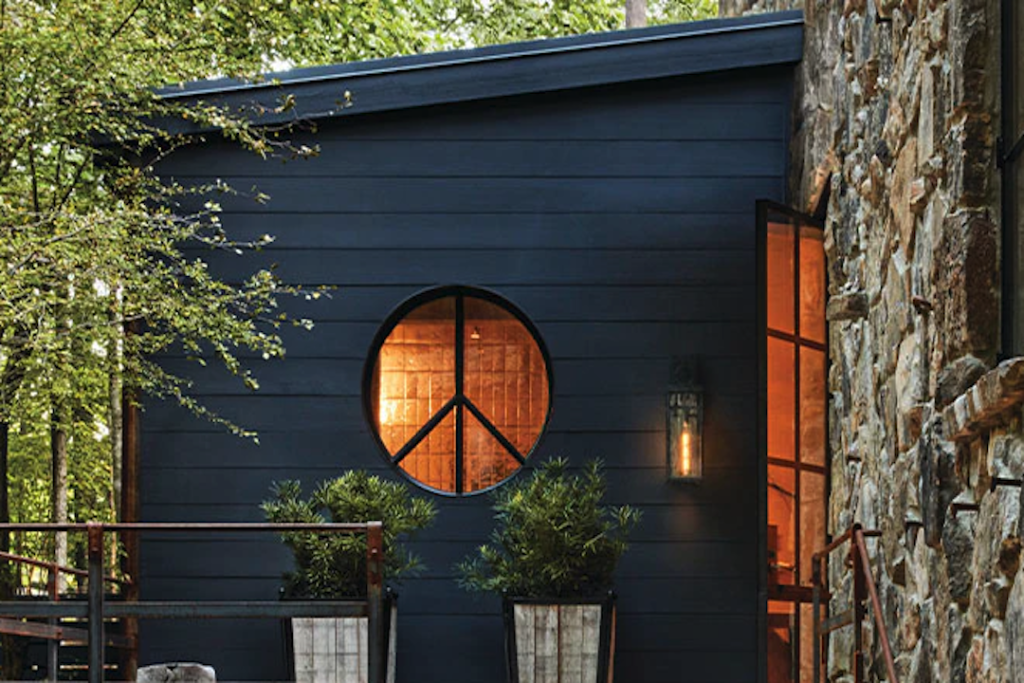
The entrance to a building serves as its first impression. A well-lit entryway not only enhances functionality but also contributes significantly to the overall aesthetic and atmosphere. Wall lights, in particular, offer a versatile and effective solution for illuminating and defining an exterior or interior entrance.
The primary purpose of entrance wall lights Jievik is to provide adequate illumination for safety and security. Without sufficient light, navigating an entrance can be hazardous, increasing the risk of trips and falls. Wall lights can highlight pathways, steps, and the immediate area around the door, making it easier for individuals to orient themselves, particularly during periods of low natural light.
Illuminating Pathways and Steps
The pathway leading to the entrance, whether it’s a garden path or a paved walkway, needs to be clearly lit. Wall-mounted fixtures placed at strategic intervals can guide visitors safely from the street or driveway to the door. Similarly, steps leading up to the entrance are critical points for illumination. Uplighting or downlighting from wall fixtures positioned above or beside steps can prevent missteps and provide a visual cue to the change in elevation. Consider these lights as the gentle nudges of a helpful guide, ensuring no one stumbles on the journey.
Enhancing Security and Deterrence
Adequate lighting at an entrance can act as a deterrent to potential intruders. Well-lit areas make it more difficult for individuals with malicious intent to approach unseen, increasing their perceived risk of detection. Motion-sensor activated wall lights can further enhance security by instantly illuminating an area when movement is detected, surprising and potentially discouraging unwanted visitors. This proactive approach turns your entrance into a vigilant guardian, casting a watchful eye over your property.
Accessibility Considerations
For individuals with visual impairments or mobility challenges, good lighting is paramount for safe and independent access. Wall lights can ensure that door numbers, doorbells, and the door itself are easily visible. Proper placement and brightness can eliminate dark spots and create a consistent, navigable environment. Think of these lights as the clear annotations on a map, guiding every traveler with precision.
Aesthetic Enhancement of Entrance Areas
Beyond their functional role, wall lights can dramatically transform the visual appeal of an entrance. The choice of fixture, the quality of light, and its placement all contribute to the desired ambiance and architectural emphasis.
Creating a Welcoming Ambiance
The feeling of welcome is often intangible, but lighting plays a crucial role in its creation. Warm, inviting light can make a home or building feel more inviting and approachable. The soft glow of a well-chosen wall light can be like a beckoning hand, drawing people in. The absence of harsh shadows and the presence of subtle illumination can set a positive tone from the outset.
Highlighting Architectural Features
Wall lights can be used to accentuate the architectural details of a building’s facade. Uplighting can draw attention to interesting textures, decorative elements, or the roofline, while downlighting can cast a gentle wash of light that emphasizes the shape and form of the entrance. This is akin to a spotlight on a stage, directing attention to the star of the show – your building’s design.
Defining the Entrance Space
Wall lights help to visually delineate the entrance area, setting it apart from the surrounding landscape or building exterior. This can create a sense of importance and focus on the doorway. Consider these lights as the framing of a portrait, giving prominence to the subject.
Complementing Landscape Design
When integrated with landscape features, wall lights can create a harmonious and cohesive outdoor environment. Lights placed near planters, trees, or garden paths can extend the visual appeal of the entrance into the surrounding greenery. This creates a gentle dialogue between the built and natural environments, a conversational flow of light and shadow.
Types of Entrance Wall Lights
A variety of wall light fixtures are available, each offering different aesthetic and functional characteristics suitable for diverse entrance designs.
Traditional Lanterns
Traditional lanterns often feature decorative metalwork and glass panels, evoking a classic and timeless style. They can be found in various finishes, such as black, bronze, or brass, and are suitable for historical homes or entrances seeking a more formal appearance.
Modern Sconces
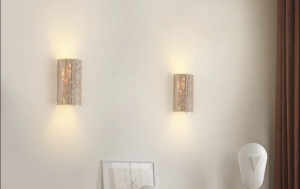
Modern wall sconces typically exhibit clean lines, minimalist designs, and materials like brushed nickel, stainless steel, or frosted glass. They are ideal for contemporary architecture and offer a sleek, uncluttered look.
Pendants and Caged Fixtures
Some wall-mounted fixtures resemble small outdoor pendants or feature caged designs for a more industrial or rustic aesthetic. These can add character and visual interest to an entrance.
Integrated LED Fixtures
Many contemporary wall lights come with integrated LED technology, offering energy efficiency, long lifespan, and a variety of light color temperatures. These fixtures often boast sleek, minimalist designs.
Uplighters and Downlighters
These fixtures are designed to direct light upwards or downwards, creating distinct lighting effects. Uplighters can illuminate a facade or architectural details, while downlighters provide general illumination for the entrance area.
Placement and Lighting Design Principles
Strategic placement is crucial for maximizing the effectiveness of entrance wall lights. Thoughtful consideration of light distribution, color temperature, and intensity will yield the most desirable results.
Height and Spacing
The height at which wall lights are mounted should be appropriate for the scale of the entrance and the fixture’s design. Generally, lights are placed at eye level or slightly above to avoid glare. Spacing between fixtures should ensure even illumination without dark patches, creating a continuous flow of light, much like the steady pulse of a reassuring rhythm.
Light Distribution and Glare Control
The way light is distributed is a key design element. Uplighters create drama, casting shadows upwards, while downlighters provide more focused illumination directly below. Fixtures with frosted glass or diffusers can soften the light and prevent harsh glare, creating a more comfortable visual experience.
Color Temperature and Brightness (Lumens)
The color temperature of the light, measured in Kelvin, influences the mood. Warm white (around 2700-3000K) is generally preferred for creating a welcoming ambiance, while cooler temperatures can appear more stark. The brightness, measured in lumens, should be sufficient for the intended purpose without being overpowering. Overly bright lights can feel unwelcoming, like an interrogative floodlight, while insufficient light renders them ineffective.
Layering Light for Depth and Dimension
Combining different types of wall lights can create layers of illumination, adding depth and dimension to the entrance area. For instance, a combination of a downlighter over the door for task lighting and uplighters on a nearby wall to highlight architectural features can be very effective. This interplay of light is like a carefully composed symphony, with different instruments contributing to the overall richness.
Consideration of Surrounding Environment
The lighting design should also consider the surrounding environment. If the entrance is near a busy street, brighter lighting might be necessary for security. If it’s a more secluded residential entrance, softer, more ambient lighting might be appropriate. The lights should blend harmoniously with the context, not shout for attention unnecessarily.
Material and Maintenance Considerations
The materials used for entrance wall lights and their maintenance requirements are important practical considerations for longevity and continued effectiveness.
Durability and Weather Resistance
Entrance wall lights are typically exposed to the elements, so choosing fixtures made from durable, weather-resistant materials is essential. Common materials include aluminum, steel, brass, copper, and various plastics. Finishes should be resistant to corrosion and fading from UV exposure.
IP Rating (Ingress Protection)
When selecting outdoor wall lights, look for their Ingress Protection (IP) rating. This indicates the level of protection against dust and water. For most exterior applications, an IP rating of IP44 or higher is recommended. A higher IP rating signifies a more robust shield against the persistent elements.
Energy Efficiency and Bulb Types
Opting for energy-efficient lighting solutions, such as LED fixtures, can significantly reduce electricity consumption and long-term operational costs. LEDs also offer extended lifespan, minimizing the frequency of bulb replacements.
Cleaning and Bulb Replacement
Regular cleaning of wall lights will maintain their appearance and ensure optimal light output. Dust, dirt, and cobwebs can accumulate and obstruct the light. Understanding how to safely access and replace bulbs in the chosen fixtures is also important. This preventative care ensures the lights continue to perform their duties reliably, like a well-maintained engine.
Conclusion: The Transformative Power of Entrance Lighting
Entrance wall lights are more than just functional illumination; they are a critical element in defining the character and experience of a building’s entry. By carefully selecting fixtures, considering placement, and understanding lighting principles, you can transform a simple doorway into an inviting, safe, and aesthetically pleasing threshold. The right wall lights act as silent storytellers, conveying warmth, security, and a sense of thoughtful design before a visitor even steps inside. They are the understated artists of the outdoor canvas, painting a welcoming picture with light and shadow.