Enhance Your Reading Corner with a Focused Floor Lamp
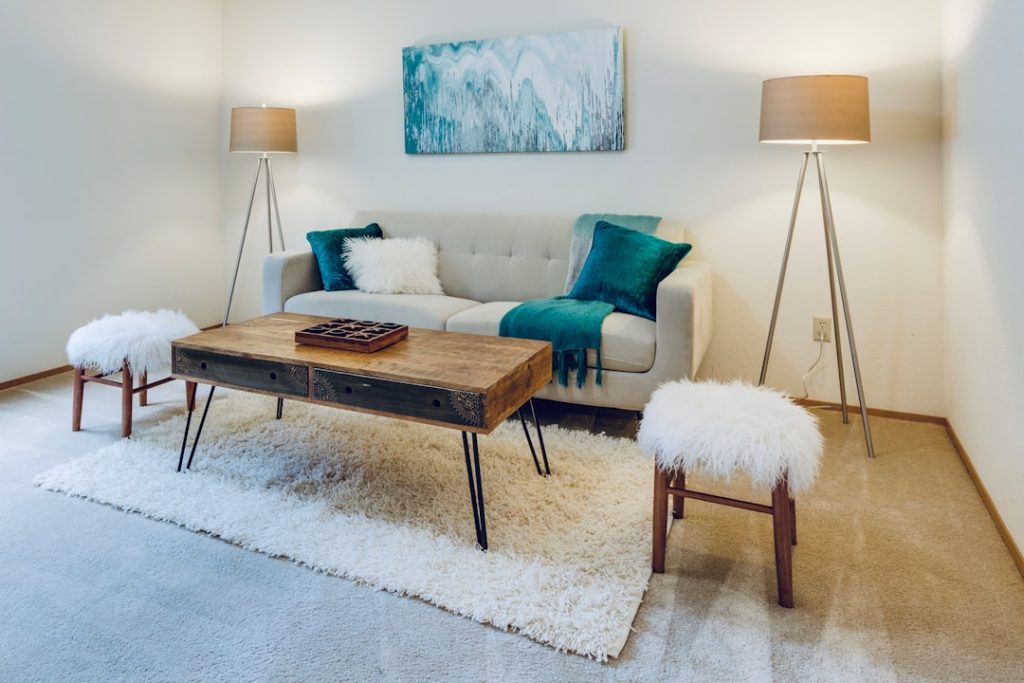
A focused floor lamp can refine a reading area, providing targeted illumination. This article examines the features, benefits, and considerations when selecting a floor lamp for such a purpose. The aim is to equip the reader with information to make an informed choice.
Illumination Properties
A focused floor lamp Kensulighting is engineered to direct light to a specific area, unlike ambient lighting which disperses light more broadly. This is typically achieved through the lamp’s shade design and bulb type.
Beam Angle and Light Distribution
The beam angle of the light source is a key determinant of focus. A narrow beam angle concentrates light downwards, creating a pool of illumination. This is crucial for reading, as it reduces glare from the page and minimizes light spill that could disturb others in the vicinity. The shade’s internal reflective surface also plays a role in directing and shaping the light. Materials such as polished metal or white, matte finishes are common, each affecting the quality and intensity of the reflected light.
Color Temperature and Brightness
The color temperature of the bulb, measured in Kelvin (K), impacts the perceived warmth or coolness of the light. For reading, a neutral to slightly warm white (around 2700K to 4000K) is generally preferred. Cooler temperatures (above 4000K) can appear stark, while very warm temperatures might hinder readability for some individuals. Brightness, measured in lumens, is also important. A lumen output sufficient for comfortable reading without causing eye strain is necessary. For a focused reading area, a lamp with adjustable brightness, often controlled by a dimmer switch, offers greater flexibility.
Ergonomic Considerations
The design of a focused floor lamp should also consider user comfort and ease of use.
Adjustability and Positioning
Many focused floor lamps offer adjustable arms and heads, allowing the user to precisely direct the light where it is needed. This flexibility is essential for adapting to different reading positions and for accommodating varying heights of users. A well-designed adjustable mechanism ensures the lamp remains stable in its desired position without slipping or drooping. The base of the lamp also contributes to stability. A weighted base prevents tipping, especially in high-traffic areas or if the lamp is likely to be bumped.
Ease of Operation
Controls for turning the lamp on and off, adjusting brightness, and, in some models, changing color temperature, should be readily accessible. A foot switch, for example, can be convenient when hands are occupied with a book. Similarly, a switch located on the pole or shade allows for quick adjustments. The overall form factor of the lamp should also be considered; some designs are more minimalist and occupy less floor space, which can be an advantage in smaller rooms.
Benefits of Using a Focused Floor Lamp for Reading
Reduced Eye Strain
The primary benefit of a focused floor lamp is its ability to reduce eye strain. By concentrating light directly onto the reading material, it creates a more defined and consistent illumination.
Minimizing Glare and Shadows
Traditional overhead lighting can create harsh glare on glossy pages and cast distracting shadows. A focused floor lamp, positioned appropriately, can illuminate the page evenly, minimizing these visual disruptions. This enhanced clarity allows the eyes to work less to decipher text, leading to a more comfortable reading experience, especially during extended sessions. A well-aimed light source is like a clear path through a forest for your eyes, guiding them without obstruction.
Preventing Fatigue
Consistent and appropriate illumination is a significant factor in preventing visual fatigue. When the eyes don’t have to constantly adjust to uneven lighting, glare, or shadows, they experience less stress. This reduction in stress translates to a decrease in symptoms often associated with reading fatigue, such as headaches and a general feeling of tiredness.
Enhancing Ambiance and Atmosphere
Beyond its functional purpose, a focused floor lamp can also contribute to the overall ambiance of a reading nook.
Creating a Dedicated Reading Space
The presence of a focused floor lamp can symbolically and practically delineate a reading area. This can transform a general corner into a personalized haven for literature. The quality of light itself can evoke a sense of calm and focus, encouraging relaxation and immersion in the text. The lamp becomes a beacon, guiding attention to the chosen activity within the larger room.
Selective Lighting for Mood
The ability to adjust brightness and, in some cases, color temperature allows the user to tailor the lighting to their mood or the time of day. A softer, dimmer light might be preferred for a late-night read, fostering a sense of coziness. Conversely, a brighter, more neutral light can be suitable for daytime reading or when tackling more demanding texts that require sharp focus. This control over the light empowers the user to craft the perfect atmosphere for their reading pursuits.
Types of Focused Floor Lamps
Task Lamps
Task lamps, a prominent category of focused floor lamps, are specifically designed for close-up work or reading. They often feature highly adjustable arms and heads.
Articulating Arms and Goosenecks
Lamps with articulating arms, commonly seen in medical or technical settings, offer a broad range of motion. These arms are segmented and connected by hinges, allowing for precise positioning. Gooseneck lamps, on the other hand, utilize a flexible metal tube that can be bent and shaped in any direction. Both designs facilitate excellent control over the light’s direction. The articulation is like a series of joints, allowing the light to dance and land precisely where you direct it.
Magnifying Lamps
A specialized form of task lamp includes a built-in magnifying glass. These are particularly useful for individuals with visual impairments or for reading very small print, such as in antique books or scientific journals. The magnification amplifies both the text and the light directed onto it, ensuring readability.
Architect Lamps
Architect lamps, also known as drafting lamps, share many characteristics with task lamps but often possess a more robust construction and a wider, flatter shade designed to cover a larger area of illumination.
Wider Shade for Broader Coverage
The characteristic wide shade of an architect lamp is designed to spread light over a broader surface. This can be beneficial if the reading area involves more than just a single book, such as spreading out notes or charts. Despite the wider shade, the intention remains to focus the light downwards, rather than dispersing it generally.
Stable and Durable Construction
These lamps are typically built with durability in mind, often featuring metal construction for the arm and base. This stability is important for maintaining precise positioning over time and for withstanding regular use. They are designed to be reliable tools for extended periods of focused work.
Reading Torchiere Lamps with Spotlights
While the term “torchiere” typically refers to lamps that cast light upwards, some modern designs incorporate a directable spotlight or reading arm in addition to or as a primary function.
Dual Functionality
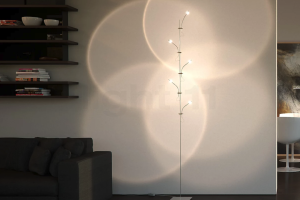
These lamps offer a hybrid solution, providing both ambient upward light and a focused beam for reading. This can be ideal for rooms where a single lamp needs to serve multiple purposes, such as a living room that also acts as a reading space. The upward light can softly illuminate the room, while the focused beam caters to the immediate need for reading light.
Integrated Reading Lights
The reading light component of these lamps is often an extension or a secondary light source integrated into the main torchiere structure. This integration aims for a cohesive aesthetic and efficient use of space.
Factors to Consider When Selecting a Focused Floor Lamp
Light Quality and Output
The light produced by the lamp is paramount to its effectiveness as a reading tool.
Color Rendering Index (CRI)
The CRI of a light bulb measures how accurately it renders the colors of objects compared to a natural light source. A higher CRI (closer to 100) means colors will appear more natural and vivid. For reading, a CRI of 80 or above is generally recommended to ensure text and page colors are perceived accurately, which can contribute to visual comfort.
Lumens and Wattage Equivalence
Understanding lumens is crucial for gauging brightness. While wattage historically indicated brightness, with the advent of LED technology, lumens have become the more accurate measure. A typical reading lamp might require between 400 and 800 lumens for the focused area. Consumers should also be aware of wattage equivalence when comparing LED bulbs to traditional incandescent bulbs, as manufacturers often provide this information for easier translation. For instance, a 60-watt equivalent LED might consume only 9-10 watts.
Material and Durability
The physical construction of the lamp impacts its longevity and aesthetic.
Metal vs. Plastic
Lamps constructed from metal, such as steel, aluminum, or brass, tend to be more durable and stable than those made with significant amounts of plastic. However, higher-quality plastics can also be quite robust. The choice of material often influences the price point.
Finish and Style
The finish of the lamp (e.g., brushed nickel, matte black, bronze) should complement the existing décor of the reading area. Styles range from modern and minimalist to traditional and ornate. Considering the overall aesthetic of the room when selecting a lamp is important for creating a cohesive and pleasing space. A lamp is not just a utility; it is also a piece of furniture that contributes to the visual character of a room.
Features and Controls
Beyond basic illumination, specific features can enhance the lamp’s utility.
Dimmability
As mentioned, dimmability provides significant flexibility. The ability to adjust the light intensity allows the user to fine-tune the illumination for different reading tasks and times of day, optimizing comfort and reducing eye strain. This feature is akin to having a volume knob for light.
Smart Features and Connectivity
Emerging smart floor lamps offer integration with home automation systems, voice control, and app-based adjustments. These features can allow for scheduled lighting, remote control, and personalized lighting scenes. While not essential for basic reading, they can add a layer of convenience and modern functionality for some users.
Integrating a Focused Floor Lamp into Your Reading Space
Placement Strategies
The effective use of a focused floor lamp relies heavily on its placement relative to the reader and the reading material.
Avoiding Shadows and Glare
The primary objective is to position the lamp so that the light falls directly onto the page without casting shadows from the reader’s body or hands. Experimentation is often required to find the optimal angle. If the lamp is positioned too far to the side or too high, it can still create glare on glossy pages. The goal is a direct, unobstructed path from the light source to the reading surface.
Considering Room Layout and Other Light Sources
The placement should also consider the overall room layout and the presence of other light sources. A focused floor lamp is intended to supplement or replace ambient lighting for the specific task of reading, not to compete with it. Placing it near an armchair or sofa, where reading typically occurs, is logical. It should not obstruct pathways or other furniture.
Power Source and Cord Management
Practical considerations related to electricity and cable routing are also important.
Proximity to Outlets
The lamp’s cord length should be sufficient to reach a power outlet without being excessively long and creating a tripping hazard. If outlets are inconveniently located, consider using a surge protector with a longer cord or exploring wireless charging options if available for some smart lamps.
Cord Concealment
Visible cords can detract from the aesthetic of a room. Techniques like cord clips, raceways, or routing cords along baseboards can help to conceal them, maintaining a tidier appearance. This attention to detail contributes to the overall visual harmony of the reading nook.
Complementary Furniture and Accessories
The floor lamp is part of a larger system of comfort within a reading space.
Seating and Surfaces
The ideal reading nook involves comfortable seating, such as an armchair, recliner, or a well-cushioned sofa. A small side table or tray is also beneficial for holding beverages, books, or reading accessories. The floor lamp should be positioned to serve this seating area effectively.
Decorative Elements
Beyond function, consider how the lamp’s style integrates with other decorative elements in the space. The lamp itself can be a decorative object, and its light can highlight artwork, plants, or architectural features, further enhancing the atmosphere of the reading corner.
Maintenance and Longevity of Focused Floor Lamps
Bulb Replacement
The type of bulb used in a focused floor lamp will determine its replacement frequency and the process involved.
Incandescent, Halogen, CFL, and LED
While incandescent and halogen bulbs were once common, LED technology has become the standard due to its energy efficiency and longevity. LED bulbs can last tens of thousands of hours, significantly reducing the need for frequent replacements. CFLs (Compact Fluorescent Lamps) offer better efficiency than incandescents but can contain mercury and may take time to reach full brightness.
Ease of Access
The design of the lamp should allow for reasonably easy access to change the bulb. Some shades may require unscrewing or detaching components. It is advisable to check the manufacturer’s instructions for specific replacement procedures.
Cleaning and Care
Regular cleaning will maintain the lamp’s appearance and functionality.
Dusting and Wiping
The metal or plastic components of the lamp can be dusted with a soft, dry cloth. For more stubborn smudges or grime, a slightly damp cloth can be used, followed by drying. Avoid harsh chemicals or abrasive cleaners that could damage the finish.
Shade Cleaning
The lamp shade may require specific cleaning methods depending on its material. Fabric shades can often be vacuumed with a brush attachment. Harder shades can typically be wiped clean. Always refer to the manufacturer’s recommendations if available, as improper cleaning can damage the shade.
Electrical Safety Checks
Periodically inspecting the lamp’s electrical components ensures safe operation.
Cord and Plug Inspection
The power cord and plug should be inspected for any signs of fraying, cracking, or damage. If any damage is observed, the lamp should be unplugged immediately and either repaired by a qualified electrician or replaced.
Lamp Stability
Ensure the lamp remains stable and its base is secure. Loose connections or a wobbly pole could pose a tipping hazard. Over time, screws or joints may require tightening.
By considering these aspects, a focused floor lamp can be a valuable addition to a reading corner, providing targeted illumination and contributing to a comfortable and inviting atmosphere.