Modern Apartment Design: Minimalist Low Profile Ceiling Light Fixture
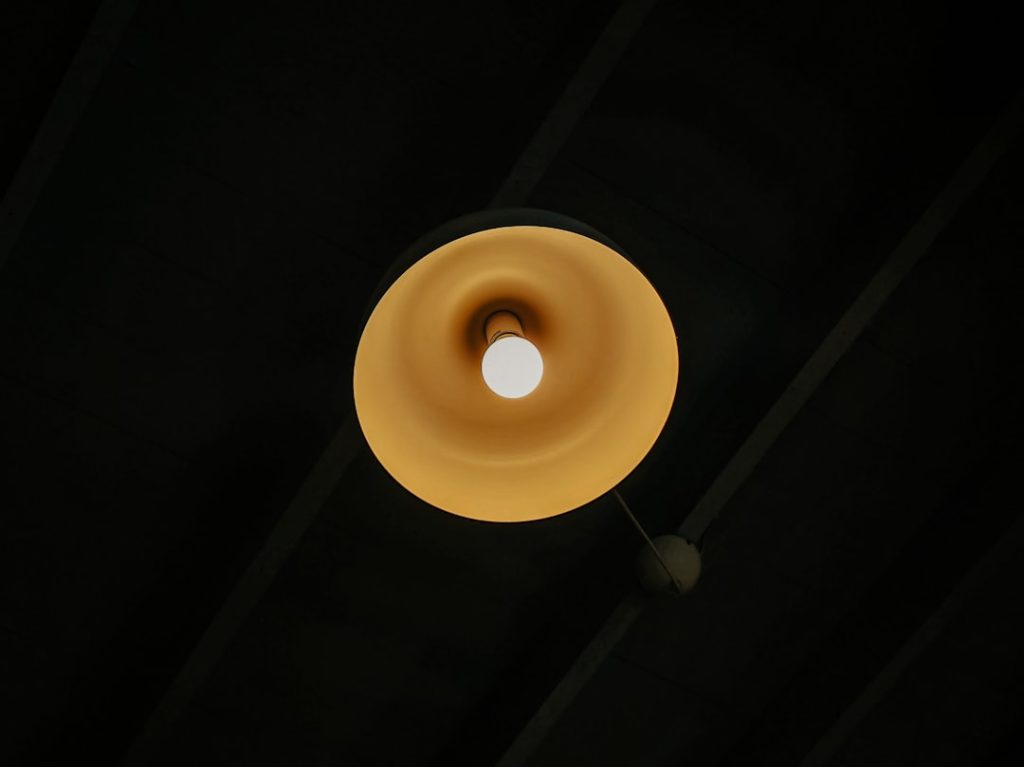
So, you’re wondering if a minimalist low-profile ceiling light fixture is the right choice for your modern apartment? The short answer is: probably, yes! These fixtures are fantastic at blending seamless design with practical illumination, particularly in spaces where you want a clean, uncluttered look. They don’t dominate the room, instead acting as subtle yet impactful elements that contribute to the overall aesthetic without screaming for attention. If your goal is to achieve a contemporary feel with an emphasis on simplicity and functionality, these types of lights are definitely worth considering.
Let’s break down what we’re talking about here. When we say “minimalist,” we’re referring to a design ethos that favors simplicity, clean lines, and a focus on essential elements. Think less ornamentation, more intentionality. “Low-profile” means the fixture doesn’t hang down too far from the ceiling. This is crucial for modern apartments, especially those with standard or even lower ceiling heights, as it helps maintain a sense of spaciousness and avoids any feeling of being cramped. The “ceiling light fixture” part is obvious – it’s a light source mounted directly to the ceiling.
Design Principles at Play
The core idea behind these lights is to provide light without being a visual distraction. They are designed to be functional first, but with a strong consideration for how they integrate into a minimalist environment. This often translates to:
- Geometric Shapes: You’ll see a lot of circles, squares, rectangles, and sometimes simple linear designs. There’s rarely anything overly ornate or complex.
- Understated Materials: Think brushed nickel, matte black, white, or even natural wood accents. The focus is on textures and finishes that enhance the simplicity rather than demanding attention.
- Hidden Hardware: Mountings and connections are usually designed to be as discreet as possible, maintaining that unbroken line from ceiling to fixture.
The Low-Profile Advantage
The benefit of the “low-profile” aspect can’t be overstated, especially in apartment living:
- Maximizing Headroom: This is the most practical advantage. They prevent that “bobble-head” effect when you walk under a hanging pendant and ensure the room feels airier.
- Appealing to Tight Spaces: In rooms with lower ceilings, a large, elaborate fixture can make the space feel even smaller. Low-profile options are a game-changer.
- Sleek Aesthetics: They contribute to the overall streamlined look that is a hallmark of modern design. The light source feels like a deliberate, integrated part of the ceiling, not an afterthought.
Why They Work So Well in Modern Apartment Design
Modern apartment design often prioritizes a sense of openness, clean lines, and a curated feel. Minimalist low-profile ceiling lights fit right into this narrative. They don’t compete with furniture, architectural features, or artwork. Instead, they quietly perform their function, contributing to a cohesive and sophisticated atmosphere.
Enhancing the Sense of Space
One of the biggest challenges in apartment living can be making a smaller space feel larger. These lights help achieve this by:
- Creating an Uninterrupted Visual Flow: When a light fixture sits close to the ceiling, it allows the eye to travel upwards without encountering a visual obstruction. This inherently makes the room feel taller and more expansive.
- Reducing Visual Clutter: In a minimalist approach, every item has a purpose and a place. A large, visually heavy fixture can introduce clutter. Low-profile lights, by their very nature, minimize this visual noise.
- Directing Light Effectively: Many modern fixtures are designed to spread light evenly across the ceiling and down into the room, preventing harsh shadows and creating a more uniform, pleasant ambiance.
Seamless Integration with Decor
Modern interiors are about thoughtful curation. The goal is for elements to work together harmoniously.
- Complementing Other Design Elements: Whether you have sleek furniture, exposed brick, or large windows, a minimalist light fixture won’t clash. It will blend in, allowing your chosen decor to take center stage.
- Subtle Statement Pieces: While aiming for simplicity, these fixtures can still contribute to the overall aesthetic. For instance, a fixture with a matte black finish can add a touch of industrial chic, while a brushed metal one offers a more refined, contemporary feel.
- Versatility Across Rooms: The unobtrusive nature of these lights makes them suitable for almost any room in an apartment, from the living area and bedroom to the kitchen and hallway.
Types of Minimalist Low-Profile Ceiling Light Fixtures
When you start looking, you’ll find a variety of forms and functionalities within this category. They aren’t all just basic round discs, though those are certainly popular and effective.
Ceiling Flush Mounts
This is perhaps the most common type. As the name suggests, they are mounted directly to the ceiling, with very little or no gap.
- Classic Round and Square Designs: These are ubiquitous and for good reason. They offer a clean, unobtrusive light distribution. Often featuring a diffused acrylic or glass cover, they provide soft, even illumination.
- Sleek Linear Fixtures: For a more contemporary or architectural feel, linear flush mounts are excellent. They can be long and narrow, providing light along a specific area, or more compact squares that add a sharp, modern edge.
- Recessed Lighting Alternatives: Some low-profile fixtures are designed to mimic the look of recessed lighting without the permanent installation challenges. These can be particularly effective for achieving a truly seamless ceiling.
Semi-Flush Mounts (with nuances)
While technically not zero profile, some semi-flush mounts are designed to be very low and minimalist. The key here is that they have a very short stem or mounting bracket that holds the fixture a small distance from the ceiling, creating a subtle shadow line that can add a touch of depth.
- Minimalist Stem Designs: Look for semi-flush mounts with very short, slender stems. The fixture itself will still hug the ceiling closely.
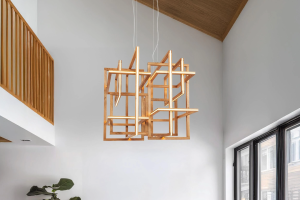
- Open Frameworks: Some modern semi-flush mounts feature open, geometric frameworks rather than a solid shade. These can offer a sophisticated, airy feel while still being relatively compact.
Integrated LED Fixtures
A significant portion of modern low-profile lights come with integrated LED technology. This is a major advantage for both design and efficiency.
- Built-in Aesthetics: The LEDs are often seamlessly incorporated into the fixture’s design, meaning there are no bulky bulbs sticking out. This contributes to the clean, minimalistic look.
- Energy Efficiency and Longevity: LEDs consume less power and last much longer than traditional bulbs, reducing your electricity bills and the hassle of frequent replacements.
- Dimmable Options: Many integrated LED fixtures are dimmable, allowing you to control the ambiance of your space, from bright task lighting to soft, mood lighting.
Practical Considerations for Choosing and Installing
Beyond the aesthetic appeal, there are practical aspects to think about when selecting and installing these lights. It’s not just about picking a pretty fixture; it’s about ensuring it meets your lighting needs and fits your apartment’s infrastructure.
Ensuring Adequate Illumination
The “minimalist” aspect shouldn’t mean dim or insufficient light. You need to figure out how much light your room requires.
- Lumens are Your Friend: Instead of focusing solely on wattage (especially with LEDs), look at the lumen output. This number tells you how bright the light will be. For a living room, you might aim for around 10-20 lumens per square foot, while a kitchen might need closer to 30-40.
- Color Temperature Matters: This refers to the warmth or coolness of the light.
- Warm White (2700K – 3000K): Gives a cozy, inviting feel, good for living rooms and bedrooms.
- Cool White (3500K – 4100K): Brighter and more energizing, suitable for kitchens and workspaces.
- Daylight (5000K and above): Mimics natural daylight, great for task lighting where color accuracy is important.
- Consider the Room’s Purpose: A bedroom might benefit from a dimmer, warmer light, while a home office or kitchen will need brighter, more functional light.
Installation and Electrical Compatibility
This is where the “practical” part really comes in. Apartment dwelling often means working with existing electrical setups.
- Ceiling Junction Box: Most ceiling lights connect to a junction box. Ensure your existing junction box is rated for the weight and electrical load of the fixture you choose.
- Wiring: Standard ceiling lights use AC power. If you’re unsure about electrical work, it’s always best to hire a qualified electrician. This is especially true for complex fixtures or if you’re unsure about the existing wiring.
- Dimmer Switches: If you want dimmable functionality, make sure your chosen fixture is compatible with a dimmer switch and that you have a compatible dimmer installed. Not all LED fixtures work with all types of dimmer switches.
Maintenance and Cleaning
Minimalist designs often mean less to clean, but some materials might require specific care.
- Dusting: Most fixtures will just need a regular dusting. A microfiber cloth is usually sufficient.
- Material-Specific Cleaning: For fixtures with metal finishes, a mild soap and water solution might be all you need. For glass or acrylic diffusers, follow the manufacturer’s recommendations to avoid scratches or clouding. Avoid harsh chemicals.
Where to Use Them for Maximum Impact
These versatile fixtures can elevate various areas within your modern apartment, creating a cohesive and stylish look throughout your space. Think beyond just the living room.
Living Areas and Entryways
This is often the first impression guests have of your apartment, so ambiance is key.
- Creating a Welcoming Glow: A well-placed flush mount can provide ample, even light that makes the living room feel inviting and spacious.
- Defining Entryway Space: In smaller apartments, the entryway might just be a small alcove. A low-profile fixture can clearly delineate this space without making it feel closed off.
- Subtle Statement: Even a simple round fixture can become a subtle centerpiece if it has a unique finish or a slightly artistic form factor.
Bedrooms and Home Offices
These spaces require a different type of lighting – often more focused on comfort and task-oriented needs.
- Relaxing Ambiance: In a bedroom, a warmer, dimmable low-profile light can create a serene atmosphere perfect for winding down.
- Focused Task Lighting: For a home office, a brighter, cooler temperature light is often preferred. A linear low-profile fixture can effectively illuminate a desk area from above.
- Avoiding Glare: The diffused nature of many low-profile fixtures helps to prevent glare on screens, which is especially important in a home office setup.
Kitchens and Dining Nooks
Functionality is paramount here, but that doesn’t mean sacrificing style.
- Illuminating Work Surfaces: Brighter, more task-oriented low-profile lights are excellent for kitchens, ensuring good visibility when preparing food.
- Defining Dining Areas: In open-plan apartments, a low-profile fixture over a small dining table or breakfast bar can subtly define the dining zone.
- Modernizing Older Kitchens: Replacing an outdated, bulky ceiling fixture with a sleek, modern low-profile option can instantly update the look of an apartment kitchen.
Frequently Asked Questions about Minimalist Low-Profile Lights
You’ve got questions, we’ve got answers. Navigating new design choices can bring up common queries, and it’s good to have them addressed.
Can they provide enough light for a large room?
Yes, absolutely. The key is to look at the lumen output and potentially use multiple fixtures if needed. Many low-profile LED fixtures are designed to provide significant light, and for larger spaces, you might consider a series of smaller fixtures or one larger, appropriately rated one.
Are they difficult to install?
Installation difficulty can vary, but generally, flush mount fixtures are among the easier types to install, especially if you’re replacing an existing ceiling light. However, if you’re not comfortable with basic electrical work, it’s always best to hire a professional to ensure safety and proper installation.
Do they come in smart home compatible versions?
Many modern integrated LED low-profile fixtures are now available with smart home capabilities, allowing you to control them via an app, voice commands, or integrate them into your existing smart home ecosystem. Look for terms like “smart lighting” or compatibility with platforms like Google Home, Alexa, or Apple HomeKit.
What are the best materials for a modern look?
For a truly modern and minimalist aesthetic, consider fixtures made from:
- Brushed Nickel or Chrome: Offers a clean, metallic sheen.
- Matte Black: Adds a sophisticated, often industrial or contemporary touch.
- White (Powder-Coated or Matte): Blends seamlessly with most ceilings for an ultra-minimalist look.
- Natural Wood Accents: Can bring a touch of warmth and organic texture to the design.
How do I choose between warm and cool light in my apartment?
Consider the primary function of the room. Warm white (2700K-3000K) is generally best for creating a relaxing and cozy atmosphere in living rooms and bedrooms. Cool white (3500K-4100K) is more energizing and ideal for task-oriented areas like kitchens, bathrooms, and home offices where you need clear visibility. Many fixtures offer a switch to select between color temperatures, giving you flexibility.