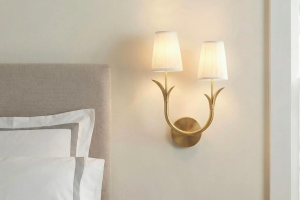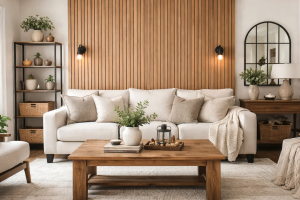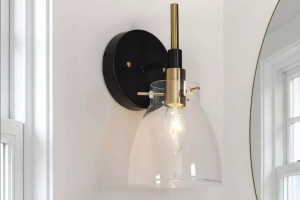
Timeless Elegance: Transitional Linen Shade Wall Light
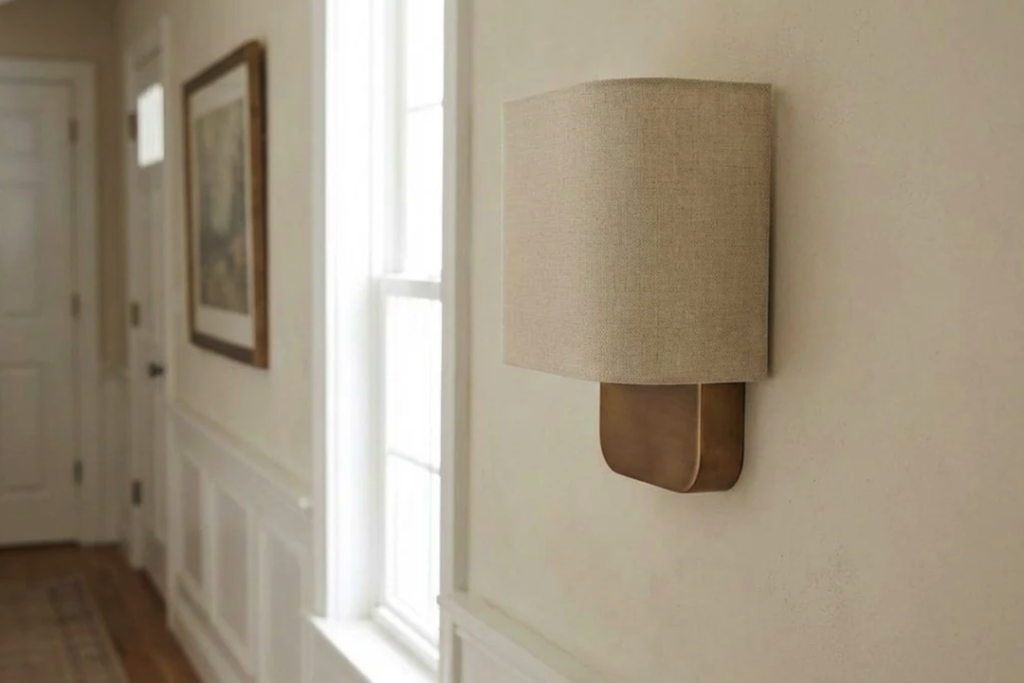
The Timeless Elegance: Transitional Linen Shade Wall Light, often referred to by its product designation or manufacturer’s model number, represents a common design idiom in interior lighting. This type of fixture integrates elements of both traditional and contemporary aesthetics, forming a “transitional” style. The use of a linen shade is a defining characteristic, providing a diffused and often warm light output. Wall lights, or sconces, are typically mounted to a wall to provide ambient, task, or accent lighting. This specific style aims to bridge disparate design preferences, offering versatility in a range of interior contexts.
The design philosophy behind the Transitional Linen Shade Wall Light Condepot often centers on adaptability and understated sophistication. It eschews the ornate detailing of purely traditional fixtures and the stark minimalism of some contemporary designs. Instead, it seeks a middle ground, offering a refined appearance that can complement various decorative schemes without being overly prescriptive.
Transitional Style Defined
Transitional style in interior design is characterized by a harmonious blend of classic and modern elements. It avoids extreme trends, favoring comfort, functionality, and timelessness. For lighting fixtures like the one in question, this translates into clean lines, often with a subtle curve or gentle angle, and a material palette that feels both familiar and updated. The overall effect is one of quiet luxury rather than ostentation.
The Role of the Linen Shade
The linen shade is a crucial component of this wall light’s identity. Linen, a natural fiber derived from the flax plant, is prized for its durability, texture, and light diffusion properties. When used as a lampshade material, it typically softens the light emitted from the bulb, reducing harsh glare and creating an inviting atmosphere. The weave of the linen can vary, from a fine, almost translucent fabric to a coarser, more textured one, each imparting a slightly different character to the light and the fixture itself. The color of the linen, often in shades of white, cream, or beige, also influences the light’s warmth.
Materiality and Finish Options
Beyond the linen shade, the construction materials and finishes of the metal components contribute significantly to the fixture’s aesthetic. Common materials include steel, brass, and aluminum. Finishes are typically applied via electroplating, powder coating, or lacquering.
Metal Finishes
- Brushed Nickel: A popular contemporary finish, offering a matte, silvery appearance that resists fingerprints.
- Polished Chrome: A highly reflective, bright silver finish that evokes a more modern or art deco feel.
- Oil-Rubbed Bronze: A dark, often distressed brown finish with copper undertones, lending a more traditional or rustic charm.
- Satin Brass/Antiqued Brass: These finishes offer a subdued gold tone, providing a classic yet updated look without the high shine of polished brass.
The choice of finish allows for further customization, enabling the fixture to either blend seamlessly with existing hardware or act as a subtle point of contrast.
Functional Applications and Placement
The primary function of a wall light, including the Transitional Linen Shade variant, is to provide illumination. However, its specific placement and the type of light it emits dictate its exact functional role within an interior space.
Ambient Lighting
When used for ambient lighting, wall lights contribute to the overall illumination of a room, providing a general glow rather than focused light. Multiple wall lights spaced evenly around a room can create a soft, uniform luminosity, reducing shadows and enhancing the perception of space. The diffused light from a linen shade is particularly well-suited for this purpose, as it avoids harsh spots and provides a comforting brilliance.
Task Lighting
While less common than with directional spotlights, a well-placed wall light with a linen shade can sometimes serve as task lighting, particularly in areas where a softer light is preferred for activities. For example, a pair of these sconces flanking a bedside table can provide adequate light for reading without disturbing a partner. The diffused nature of the light means it’s less likely to cause eye strain during prolonged close-up work.
Accent Lighting
As accent lighting, these wall lights can highlight architectural features, artwork, or decorative elements. The glow emanating from behind the shade can create a halo effect on the wall, drawing attention to the area within its reach. When used in hallways, they can guide movement and add visual interest to otherwise utilitarian spaces. The controlled spread of light from a sconce prevents it from overpowering other lighting sources while still contributing to the room’s layered illumination.
Strategic Placement Considerations
The effective placement of a wall light is paramount to its functional and aesthetic success.
Height and Spacing
Standard installation height for wall sconces generally ranges from 60 to 72 inches (152 to 183 cm) from the floor to the center of the fixture. However, this can vary based on ceiling height and the intended purpose. In a hallway, identical fixtures might be spaced approximately 8 to 10 feet (2.4 to 3 meters) apart to ensure consistent lighting. When flanking mirrors or artwork, symmetry is often prioritized, with the fixtures positioned equidistant from the central object.
Dimming Capabilities
Incorporating a dimmer switch with these wall lights significantly enhances their versatility. A dimmer allows adjustment of the light intensity, transforming the mood of a room from brightly lit to softly ambient. This flexibility is particularly valuable in living rooms, bedrooms, and dining areas where varying levels of illumination might be desired throughout the day or evening.
Installation and Maintenance
The installation and subsequent maintenance of the Transitional Linen Shade Wall Light are generally straightforward, aligning with common practices for electrical fixtures. However, adherence to safety standards and proper techniques is crucial.
Electrical Requirements
These wall lights typically require standard household electrical wiring, usually 120V AC in North America or 230V AC in parts of Europe. Most modern fixtures are designed for direct wiring into a junction box in the wall. It is imperative that electrical connections are made securely and in accordance with local building codes, often necessitating the expertise of a qualified electrician to prevent fire hazards or electrical shock. The fixture usually includes a mounting plate that attaches to the junction box, upon which the main body of the light is then secured.
Bulb Compatibility
The choice of light bulb significantly impacts the light quality and energy efficiency of the fixture.
Bulb Types
- Incandescent: Traditional bulbs, known for their warm glow, but less energy-efficient and with shorter lifespans. Many fixtures are still compatible, though their use is declining.
- CFL (Compact Fluorescent Lamp): More energy-efficient than incandescent, but often criticized for slower warm-up times and less desirable light quality.
- LED (Light Emitting Diode): The most energy-efficient option, offering long lifespans, instant-on illumination, and a wide range of color temperatures. Many contemporary designs are optimized for LED bulbs.
The fixture’s specifications will indicate the maximum wattage and appropriate bulb base (e.g., E26/E27 for screw-in bulbs, G9 for pin-base bulbs). Using bulbs within the specified wattage range prevents overheating and potential damage to the fixture or shade.
Routine Cleaning and Care
Proper maintenance ensures the longevity and aesthetic appeal of the wall light.
Cleaning the Linen Shade
Linen shades can attract dust and occasionally accumulate minor stains. Regular dusting with a soft brush or a vacuum cleaner with a brush attachment can keep the shade clean. For minor marks, a lightly dampened cloth (water only, or a very mild, non-bleaching detergent solution) can be carefully used. It’s important to avoid saturating the linen, as this can cause warping or discoloration. Spot testing in an inconspicuous area is advised.
Cleaning Metal Components
Metal components can be wiped with a soft, dry, or slightly damp cloth to remove dust and fingerprints. Abrasive cleaners or harsh chemicals should be avoided, as they can damage the finish. For specific finishes like oil-rubbed bronze, specialized polishes or waxes may be recommended by the manufacturer to preserve its appearance.
Contextual Integration in Interior Design
The versatility of the Transitional Linen Shade Wall Light allows it to integrate seamlessly into a wide array of interior design aesthetics, from the traditional to the contemporary, and everything in between. Its strength lies in its ability to adapt rather than dominate.
Harmonizing with Existing Decor
When selecting such a fixture, consider the prevailing style and color palette of the room. A brushed nickel finish might complement a room with cool tones and stainless steel accents, while an oil-rubbed bronze would pair well with warmer woods and earthy hues. The linen shade itself, often neutral, acts as a visual unifier, capable of bridging diverse elements. It rarely clashes with existing wallpaper, paint colors, or fabric patterns, making it a safe yet stylish choice.
Complementary Design Elements
The transitional nature of the light allows it to be paired with various furniture styles. In a living room, it might flank a classic fireplace or provide soft illumination above a contemporary sofa. In a bedroom, two identical fixtures on either side of the bed eliminate the need for bedside lamps, freeing up surface space on nightstands. The fixture’s understated elegance means it can exist comfortably alongside both intricate antique pieces and minimalist modern furniture.
Evolution and Market Presence
The design archetype of the linen-shaded wall light has a history stemming from earlier forms of sconces and shaded lamps. Its “transitional” iteration, however, gained significant traction in the late 20th and early 21st centuries as homeowners and designers increasingly sought alternatives to overtly thematic styles.
Historical Precursors
Before electricity, sconces held candles or oil lamps, serving practical illumination purposes. With the advent of electric lighting, these designs evolved, incorporating bulbs and shades. Early electric sconces often mirrored traditional chandelier designs, featuring ornate metalwork and sometimes fabric shades, though linen became more popular as a light-diffusing material in the 20th century. The specific “transitional” blending of styles is a relatively recent phenomenon, reflective of a desire for enduring appeal over fleeting trends.
Contemporary Market Landscape
Today, numerous manufacturers produce variations of the Transitional Linen Shade Wall Light. These range from mass-produced, affordable options to custom higher-end artisanal pieces. The market is driven by consumer demand for versatile, elegant lighting solutions that are perceived as both modern and timeless. Online retailers, specialized lighting stores, and interior design firms frequently feature this style due to its broad appeal and ability to satisfy diverse aesthetic requirements. The continued popularity of “transitional” design ensures that this type of fixture maintains a strong foothold in the residential and commercial interior lighting sectors. Its sustained presence in a competitive market testifies to its functional utility and its consistent aesthetic value.