Coastal Farmhouse White Fabric Sconce: The Perfect Lighting Solution
Your endeavor to illuminate a space often involves a confluence of practical and aesthetic considerations. The Coastal Farmhouse White Fabric Sconce presents itself as a notable contender in this pursuit. This article will explore its characteristics, applications, and general implications for interior lighting design.
The design of the Coastal Farmhouse White Fabric Sconce is rooted in a blend of two distinct, yet complementary, stylistic traditions: coastal and farmhouse.
Coastal Design Elements
Coastal design typically evokes a sense of light, airiness, and a connection to maritime environments. Key characteristics include:
- Color Palette: Dominated by whites, creams, blues, and sandy tones. The white fabric of the sconce aligns with this preference for light hues.
- Materials: Often incorporates natural elements such as wood, rope, and linen. While the sconce primarily features fabric and metal, the fabric itself contributes to a natural texture.
- Form: Designs tend to be simple and uncluttered, mirroring the open expansiveness of coastal landscapes. The sconce’s straightforward form exemplifies this principle.
Farmhouse Design Elements
Farmhouse design, conversely, emphasizes warmth, comfort, and a rustic charm. Its hallmarks include:
- Materials: Frequently utilizes wood, distressed metals, and natural fibers. The metallic components of the sconce, even if subtle, can hint at this industrial-rustic influence.
- Functionality: Farmhouse pieces are often designed with practicality in mind, reflecting the utilitarian origins of the style. The sconce’s primary function as a light source is paramount.
- Simplicity: Like coastal design, farmhouse design eschews excessive ornamentation in favor of clean lines and understated elegance. The sconce’s unadorned fabric shade embodies this simplicity.
Blended Aesthetic
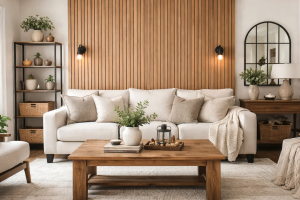
The resulting “Coastal Farmhouse” aesthetic, as exemplified by this sconce, combines the serenity of the coast with the grounded comfort of the farmhouse. The white fabric acts as a unifying element, providing a neutral canvas that can adapt to various interpretations of this blended style. It is a chameleon, capable of blending into a breezy beach house or a cozy countryside abode.
Functionality and Illumination
Beyond its aesthetic contribution, a sconce’s primary role is to provide illumination. The Coastal Farmhouse White Fabric Sconce is designed with specific functional attributes.
Light Diffusion
The fabric shade plays a crucial role in how light is distributed.
- Soft, Diffused Glow: Unlike an exposed bulb that casts harsh, direct light, the fabric shade acts as a diffuser. This softens the light, reducing glare and creating a more ambient, inviting atmosphere. Imagine sunlight filtered through thin clouds; this is the effect the fabric shade aims to achieve.
- Reduced Shadows: Diffused light tends to minimize harsh shadows, making a space feel more open and less dramatic. This is particularly beneficial in areas where a uniform light distribution is desired.
- Bulb Compatibility: Typically, such sconces are designed to accommodate standard incandescent, LED, or CFL bulbs, allowing users flexibility in choosing light temperature and energy efficiency. Always consult manufacturer specifications for recommended bulb types and wattages.
Up-lighting and Down-lighting
The orientation of the sconce on a wall determines the direction of the light.
- Up-lighting: If the shade directs light upwards, it can create a sense of height and draw attention to architectural features, such as vaulted ceilings or decorative molding. This also contributes to general ambient lighting by bouncing light off the ceiling.
- Down-lighting: When light is directed downwards, it can be effective for task lighting or highlighting specific decor elements below the sconce. It creates a more focused pool of light.
- Ambi-Directional: Some sconces may emit light both upwards and downwards, offering a broader and more balanced illumination. The specific design of the Coastal Farmhouse White Fabric Sconce will dictate its emission pattern.
Dimming Capabilities
Many contemporary lighting fixtures are designed to be compatible with dimmer switches.
- Atmosphere Control: The ability to dim the lights allows for precise control over the room’s ambiance. From bright functional lighting to a subtle, romantic glow, a dimmer switch transforms the sconce from a singular light source into a versatile atmospheric tool.
- Energy Savings: Dimming lights can also contribute to energy conservation and extend the life of light bulbs.
Installation and Placement
Effective lighting design hinges not only on the choice of fixture but also on its strategic placement and proper installation.
Mounting Considerations
Wall-mounted sconces require careful planning prior to installation.
- Electrical Box Location: The sconce must be mounted to an existing electrical junction box in the wall. If no box exists, one will need to be installed, which typically involves running new wiring and potentially cutting into drywall. This is a task often best left to a qualified electrician.
- Wall Material: The type of wall material (drywall, plaster, wood) will influence the choice of mounting hardware to ensure secure attachment.
- Sconce Weight: While fabric sconces are generally lighter than those made of heavier materials, adequate support is always necessary.
Optimal Placement Strategies
The placement of a sconce can significantly impact a room’s functionality and aesthetic.
- Hallways and Corridors: Sconces are ideal for illuminating pathways without taking up floor space, providing subtle guidance through transitional areas. Spaced evenly along a hallway, they create a rhythmic sense of progression.
- Bedrooms: Flanking a bed, sconces can serve as effective reading lights or ambient bedside illumination, freeing up space on nightstands. Their soft glow contributes to a serene sleeping environment.
- Living Rooms: Placed strategically to highlight artwork, architectural features, or to provide ambient light, sconces can add depth and visual interest to a living space. They can act as accents, drawing the eye to particular focal points.
- Bathrooms: When placed on either side of a mirror, sconces provide flattering, shadow-free illumination for grooming. This eliminates the harsh overhead lighting often found in bathrooms.
- Entryways: A single sconce or a pair in an entryway can provide a welcoming glow, setting the tone for the rest of the home. It acts as a beacon, guiding visitors into the space.
Height and Spacing
General guidelines exist for sconce placement, though these can be adjusted based on ceiling height and personal preference.
- Eye Level: For general ambient lighting or decorative purposes, sconces are often mounted at approximately eye level (around 60-66 inches from the floor) to minimize glare.
- Above Eye Level: If the primary goal is up-lighting or to cast light downwards onto a specific area, a higher or lower placement may be appropriate.
- Symmetry and Balance: When using multiple sconces, consider symmetrical placement for a formal look or asymmetrical arrangements for a more eclectic feel. The spacing should be proportionate to the size of the wall and the room.
Material Durability and Maintenance
The longevity and aesthetic preservation of any fixture depend on the materials used and the care it receives.
Fabric Shade Material
The “white fabric” refers to a broad category. Common materials include:
- Linen: Known for its natural texture, durability, and breathability. It provides a slightly rustic, organic feel.
- Cotton: A versatile and widely available fabric, easily dyed and offering various weaves. It’s a classic choice for its softness and ability to diffuse light evenly.
- Polyester Blends: Often used for its resistance to wrinkling, fading, and ease of cleaning. These blends can mimic the look of natural fibers while offering enhanced durability.
- Faux Silk: Offers a luxurious appearance without the delicate nature or cost of real silk.
Frame and Hardware Materials
The structural components typically comprise:
- Metal Alloys: Common choices include steel, aluminum, or brass, often finished with a powder coat or paint. These provide the necessary structural integrity for the sconce.
- Finishes: White, brushed nickel, or matte black are common finishes that complement the Coastal Farmhouse aesthetic without dominating the visual space. These understated finishes allow the fabric shade to be the focal point.
Cleaning and Maintenance
Regular maintenance helps preserve the appearance and functionality of the sconce.
- Dusting: Fabric shades can accumulate dust and cobwebs. A soft brush, lint roller, or a vacuum cleaner with a brush attachment can be used for routine dusting.
- Spot Cleaning: For specific stains, a damp cloth with a mild detergent (test on an inconspicuous area first) can be used. Avoid harsh chemicals that may discolor or damage the fabric.
- Bulb Replacement: Ensure the power is off before replacing bulbs to prevent electrical shock.
- Hardware Inspection: Periodically check that all mounting screws and connections are secure to prevent accidental dislodgement.
Environmental and Behavioral Considerations
Beyond the immediate visual impact, the choice of a lighting fixture can have broader implications.
Energy Efficiency
Modern lighting solutions prioritize energy efficiency.
- LED Compatibility: The Coastal Farmhouse White Fabric Sconce, like many contemporary fixtures, is likely designed to accommodate LED bulbs. LEDs consume significantly less energy than incandescent bulbs and have a much longer lifespan, contributing to reduced electricity bills and less frequent bulb replacement.
- Environmental Impact: Lower energy consumption translates to a reduced carbon footprint, aligning with broader environmental sustainability goals. Opting for energy-efficient lighting is a tangible step towards a more responsible consumption pattern.
Psychological Impact of Light
Light exerts a profound influence on human mood, perception, and behavior.
- Warm vs. Cool Light: The choice of “white” light (measured in Kelvin) affects the perceived warmth or coolness of a space. Warmer whites (2700K-3000K) evoke comfort and relaxation, suitable for bedrooms and living areas. Cooler whites (4000K and above) tend to be more invigorating, often preferred for task-oriented spaces. The fabric shade contributes to a softer, more inviting light regardless of the bulb’s temperature.
- Ambiance and Mood: The soft, diffused glow from a fabric sconce can create a calming and intimate atmosphere. This type of lighting is less stimulating than direct, high-intensity light, promoting a sense of well-being and ease. It’s like the gentle embrace of indirect light, fostering a serene environment.
- Visual Comfort: Reducing glare and harsh shadows, as achieved by the fabric diffuser, enhances visual comfort, making a space more pleasant to inhabit for extended periods. It creates an environment where your eyes can rest, unburdened by harsh light.
Accessibility and Usability
Consideration for all users is an important aspect of design.
- Switch Placement: The accessibility of the light switch or dimmer control is critical. Whether it’s a wall switch, pull chain (less common for modern sconces), or smart home integration, ensure ease of access for all occupants.
- Maintenance Access: The design should allow for relatively straightforward bulb replacement and cleaning without undue difficulty or specialized tools.
The Coastal Farmhouse White Fabric Sconce positions itself as a versatile and aesthetically pleasing lighting solution. Its blend of coastal and farmhouse design principles, coupled with its functional light diffusion, makes it suitable for a variety of interior settings. As with any design element, informed selection and strategic placement are key to maximizing its potential contribution to your illuminated environment.