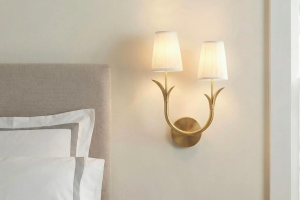
Scandi Chic: Fabric Shade Wall Light Fixture
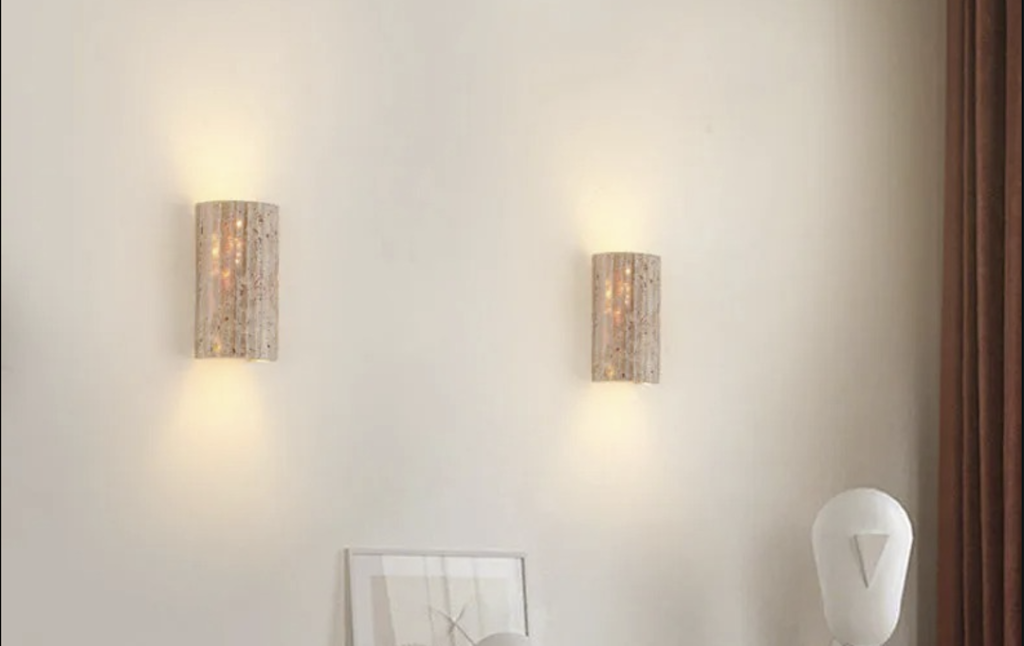
This article details the ‘Scandi Chic: Fabric Shade Wall Light Fixture,’ a lighting product characterized by its minimalist aesthetic and functional design principles, commonly associated with Scandinavian interior design.
The Scandinavian Design Movement
Scandi Chic, as a design movement, draws heavily from the core tenets of Scandinavian design, which emerged in the early to mid-20th century. This movement prioritizes functionality, simplicity, and an appreciation for natural materials. Unlike ornate or overly decorative styles, Scandinavian design seeks to create comfortable, livable spaces through clean lines, muted color palettes, and practical applications. The concept of “hygge,” a Danish and Norwegian word for a mood of coziness and comfortable conviviality, is often cited as a foundational element, influencing the creation of warm and inviting atmospheres. The pursuit of light Ezerliving, both natural and artificial, is paramount in Scandinavian countries, where long winter nights necessitate thoughtful lighting solutions.
Key Elements of Scandi Chic Aesthetic
The “Scandi Chic” descriptor, in the context of a fabric shade wall light fixture, signifies a specific subset of this broader design philosophy. It emphasizes the blending of simplicity with a subtle touch of contemporary elegance. The aesthetic is characterized by:
Materiality
- Natural Materials: Wood, often light-toned like beech, birch, or ash, is frequently incorporated into the fixture’s frame or mounting. This lends an organic warmth and texture, grounding the design. Metal elements, such as brushed brass, matte black, or brushed nickel, are also common, offering a contrast and a touch of modern refinement.
- Fabric Shades: The hallmark of these fixtures, fabric shades are typically made from linen, cotton, or textured synthetic blends. The fabric diffuses light softly, creating a gentle and inviting glow, avoiding harsh glare. The texture of the fabric itself contributes to the tactile quality of the design.
Form and Structure
- Clean Lines and Geometric Shapes: Fixtures often feature straightforward geometric forms, such as cylindrical shades, conical shapes, or simple rectangular profiles. The overall silhouette is uncluttered and free from superfluous ornamentation.
- Minimalist Hardware: Any visible hardware, such as mounting brackets or armatures, is designed to be unobtrusive and integrated seamlessly into the overall design. Finishes are often matte or brushed, further enhancing the understated appearance.
- Functionality Integrated into Form: The design prioritizes the practical purpose of illumination. The placement of the light source and the angle of the shade are considered to optimize light distribution for ambient or task lighting.
Color Palette
- Neutrals and Earth Tones: The dominant color palette consists of whites, creams, off-whites, grays, and muted earthy tones. Occasional accents of pale blues, greens, or soft yellows may be present, but they are typically restrained. This neutral palette promotes a sense of calm and airiness, allowing the fixture to blend harmoniously with diverse interior schemes.
- Contrast and Accents: While largely neutral, the design might incorporate subtle contrasts through the combination of light wood with dark metal accents, or a textured fabric shade against a stark architectural background. These contrasts are carefully balanced to avoid disrupting the overall serenity of the design.
Functional Applications and Placement
Ambient Lighting
The primary function of many Scandi Chic fabric shade wall light fixtures is to provide ambient lighting, contributing to the overall mood and atmosphere of a room.
Creating a Soft Glow
The fabric shade acts as a natural diffuser, transforming the direct beam of a light bulb into a gentle, widespread illumination. This quality is crucial for achieving the cozy and inviting ambiance associated with Scandinavian interiors. The light is not meant to be harsh or clinical but rather to soften edges and create a sense of warmth. Think of it as a gentle hand smoothing the rough textures of the day, allowing for relaxation.
Illuminating Living Spaces
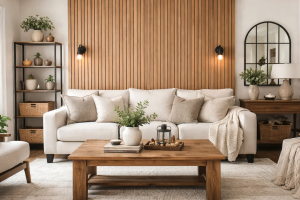
In living rooms, these fixtures are often placed flanking a sofa, illuminating artwork, or accentuating architectural features. They provide a layer of light that supplements overhead or task lighting, preventing the space from feeling dark or unwelcoming. Their understated design ensures they enhance the room’s décor without dominating it.
Task Lighting
While primarily ambient, certain configurations of Scandi Chic fabric shade wall light fixtures can also serve as effective task lighting.
Reading Nooks and Bedside Illumination
Wall lights positioned next to a reading chair or above a bedside table offer focused light for activities like reading or working. The adjustable nature of some models, with articulating arms or swiveling heads, allows for precise control of the light’s direction, ensuring it illuminates the intended area without causing strain. This focused light acts like a dedicated spotlight on your chosen activity, without being obtrusive to others.
Kitchen and Workspace Applications
In kitchens or home offices, wall lights can be strategically placed to illuminate countertops or desks. When combined with a brighter bulb, they can provide adequate light for food preparation or detailed work, all while maintaining the desired aesthetic. The fabric shade still offers a degree of diffusion, preventing direct glare on reflective surfaces.
Accent Lighting
Beyond general illumination, Scandi Chic wall light fixtures can be used to highlight specific elements within an interior.
Showcasing Artwork and Décor
By directing light onto a piece of art, a decorative vase, or a textured wall, these fixtures can draw attention to them, adding depth and visual interest to the room. The diffused light ensures that the artwork is illuminated without being washed out or distorted. It’s like using a gentle brushstroke to bring a particular detail into focus.
Architectural Emphasis
Wall lights can be positioned to cast interesting shadows or highlight architectural features, such as textured wallpaper, exposed brick, or the interplay of light and shadow on a staircase. This technique adds a layer of sophistication and dynamism to the space.
Construction and Material Details
Understanding the construction of these fixtures reveals the thoughtful design principles at play.
Frame and Mounting Mechanisms
Wood Components
The use of wood in the frame or mounting plate is a defining characteristic. This can range from simple, solid wood blocks securely fixed to the wall to more elaborate wooden arms that extend the light source outwards. The grain and natural variations in the wood contribute to the fixture’s unique charm. Finishes on wood are typically natural, stained in light tones, or sealed with a matte varnish to maintain their organic appeal.
Metal Accents and Arms
Metal elements are often employed for structural support, articulating arms, or decorative accents. Common metals include:
- Brushed Nickel/Chrome: Offers a cool, contemporary look.
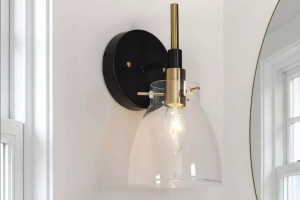
- Matte Black: Provides a strong, modern contrast.
- Brushed Brass/Gold: Introduces a touch of warmth and subtle elegance, used sparingly to avoid an overly opulent feel.
The integration of these materials is typically seamless, with minimal visible joinery. The emphasis is on durability and a clean, uncluttered appearance.
Fabric Shade Characteristics
The fabric shade is the component that most directly interacts with the light and influences the overall ambiance.
Material Choices
- Linen: A popular choice for its natural texture and ability to diffuse light effectively. It often has a slightly uneven weave that adds visual interest.
- Cotton: Offers a softer, smoother finish and is readily available in various weaves.
- Textured Synthetic Blends: Modern iterations may incorporate durable synthetic fabrics that mimic the look and feel of natural fibers while offering enhanced longevity and ease of cleaning.
Light Diffusion Properties
The weave and thickness of the fabric are critical. A loosely woven fabric will allow more light to pass through, creating a brighter glow, while a denser weave will offer greater diffusion and a softer light. The color of the fabric also plays a significant role; lighter fabrics will reflect more light, contributing to a brighter illumination, while darker fabrics will absorb more light, creating a more subdued effect. The shade essentially acts as a filter, softening the raw output of the bulb into something more palatable for the eye.
Installation and Maintenance Considerations
Proper installation and regular maintenance ensure the longevity and optimal performance of these fixtures.
Electrical Connections and Safety
Professional Installation Recommended
While some fixtures are designed for straightforward installation, it is generally recommended that electrical work be performed by a qualified electrician. This ensures compliance with local building codes and electrical safety standards, preventing potential hazards such as short circuits or fire. The wiring should be securely connected, and the fixture should be properly grounded.
Bulb Selection and Wattage Limits
- Bulb Type: LED bulbs are highly recommended due to their energy efficiency, long lifespan, and reduced heat output. Incandescent or halogen bulbs can be used, but their higher heat generation may affect the fabric shade over time and consume more energy.
- Wattage Limits: Adhering to the manufacturer’s specified maximum wattage for the light bulb is crucial. Exceeding this limit can cause the bulb to overheat, potentially damaging the fixture or posing a fire risk. The fabric shade is not designed to withstand excessive heat.
Cleaning and Upkeep
Fabric Shade Care
The fabric shade requires gentle cleaning to maintain its appearance.
- Dusting: Regular dusting with a soft, dry cloth or a feather duster is usually sufficient for routine maintenance.
- Spot Cleaning: For minor marks or stains, a slightly damp cloth or a mild soap solution can be used. It is advisable to test any cleaning solution on an inconspicuous area of the shade first. Avoid excessive moisture, as it can damage the fabric or the backing.
- Vacuuming: A vacuum cleaner with a brush attachment set to low suction can be used to remove dust from textured fabrics.
Frame and Metal Components
Frame and metal components can typically be cleaned with a soft, dry cloth. For more stubborn dirt on metal parts, a specialized metal cleaner appropriate for the finish (e.g., for brushed nickel or brass) can be used, following the manufacturer’s instructions. Harsh chemicals or abrasive cleaners should be avoided as they can damage the finishes.
Integration into Modern Interior Design
The adaptability of Scandi Chic fabric shade wall light fixtures makes them a popular choice for a variety of interior styles.
Complementary Design Styles
Minimalism and Contemporary
The clean lines and understated elegance of these fixtures align perfectly with minimalist and contemporary interiors. They provide functional lighting without adding visual clutter, allowing other design elements to take center stage. They are the quiet facilitators of a well-arranged space.
Mid-Century Modern
The emphasis on natural materials and functional forms in Scandi Chic also resonates with Mid-Century Modern design. Wooden elements in particular can bridge the gap between these two aesthetics, creating a cohesive look.
Bohemian and Eclectic
While seemingly a departure, Scandi Chic elements can also be incorporated into Bohemian or eclectic interiors. A fabric shade wall light can offer a grounding influence amidst more maximalist décor, introducing a touch of calm and sophistication. It’s like a single, clear note in a complex melody.
Transitional Interiors
For spaces that blend traditional and modern elements, these fixtures offer a versatile solution. Their classic yet simple design can bridge the gap between older and newer furnishings, bringing a sense of cohesion to the room.
Creating Cohesive Lighting Schemes
Beyond individual fixtures, the thoughtful integration of Scandi Chic wall lights can contribute to a unified lighting scheme.
Layering Light Sources
Effective interior lighting involves layering different types of light. Scandi Chic wall lights, with their ability to provide ambient, task, and accent illumination, are integral to this process. They work in conjunction with ceiling fixtures, floor lamps, and table lamps to create a balanced and functional lighting environment.
Maintaining Aesthetic Consistency
When selecting multiple wall light fixtures throughout a home, choosing those within a similar Scandi Chic aesthetic ensures visual continuity. This consistency, even with slight variations in design or material, contributes to a harmonious and well-considered interior. The overall effect is one of intentionality, where each element serves a purpose and contributes to the larger picture. The fixture, in this sense, becomes a quiet conductor, orchestrating the play of light and shadow.