Create a Cozy Living Space with a Fabric Shade Floor Lamp
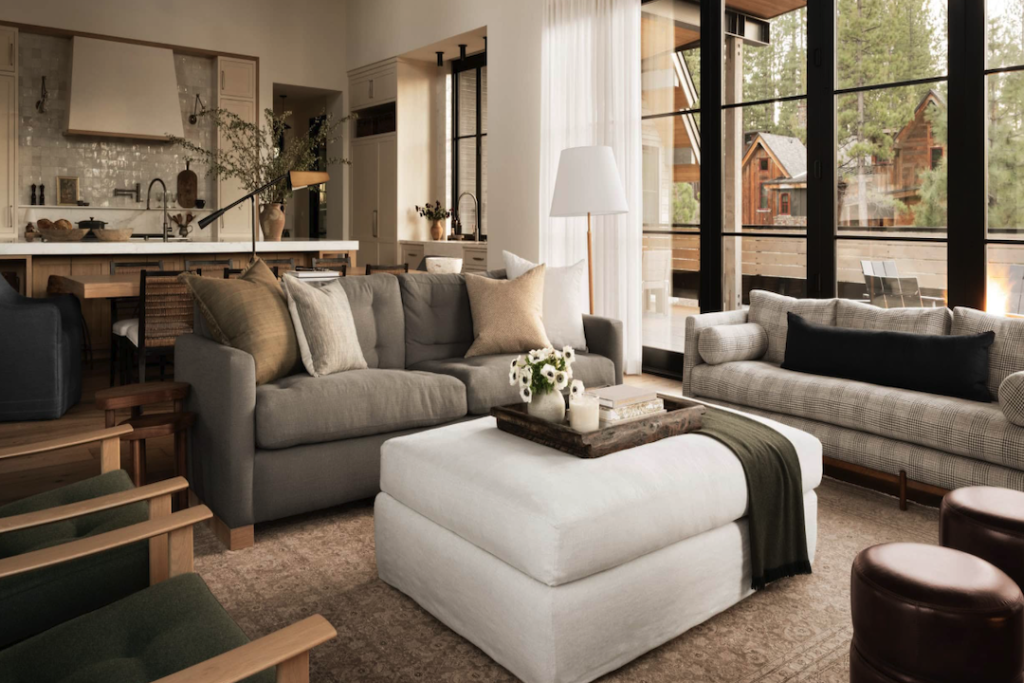
A fabric shade floor lamp serves as a functional piece of lighting and a key element in establishing a comfortable and inviting living space. These lamps, characterized by their upright structure and a shade crafted from textile material, offer a diffuse and ambient light that can significantly alter the mood and perception of a room. Unlike harsh overhead lighting, which can feel sterile, a fabric shade floor lamp diffuses light, softening shadows and creating a more gentle illumination. This characteristic makes them particularly well-suited for creating zones of relaxation and visual comfort within a home.
The versatility of fabric shade floor lamps Nounhouse lies in their ability to adapt to various interior design styles and functional needs. Their form factor allows them to be placed in corners, beside furniture, or as a standalone accent, providing light where it is most needed without demanding significant floor space. The material and design of the fabric shade itself play a crucial role in dictating the aesthetic and the quality of light produced.
Understanding the Functionality and Aesthetics
The primary function of a fabric shade floor lamp is to provide illumination. However, the quality of that illumination is what distinguishes it from other light sources. The fabric acts as a diffuser, scattering light in multiple directions and reducing the intensity of direct glare. This process is akin to natural light filtering through clouds, creating a soft, even glow rather than a spotlight effect.
h3. Diffused Lighting for Reduced Glare
Direct light sources can create harsh contrasts and uncomfortable glare, particularly for the eyes. The textile material of a fabric shade, whether it be cotton, linen, silk, or synthetic blends, is porous enough to break up the direct beam of the bulb. This results in a diffused light that is easier on the eyes, making it ideal for reading, working on hobbies, or simply relaxing.
h3. Ambient versus Task Lighting
Fabric shade floor lamps are primarily associated with ambient lighting. Ambient lighting refers to the general illumination of a room. A floor lamp positioned strategically can provide enough ambient light to fill a space, reducing the reliance on brighter, less inviting overhead fixtures. While they can contribute to task lighting in certain situations, particularly if directed downwards, their strength lies in their ability to create an overall atmosphere.
h3. The Role of Shade Material
The choice of fabric for the shade significantly influences both the light quality and the visual appeal.
Cotton and Linen: Natural and Versatile
Cotton and linen shades are popular for their natural texture and ability to produce a warm, inviting light. Cotton is generally more opaque, offering excellent diffusion. Linen, with its characteristic slubs and weave, can add a subtle textural interest to the light itself, sometimes creating a dappled effect. Both are durable and relatively easy to clean, making them practical choices for everyday living.
Silk and Synthetic Blends: Refined and Modern
Silk shades offer a more luxurious feel and a delicate diffusion. However, they often require more careful handling and can be more expensive. Synthetic blends, such as polyester or rayon, offer a wider range of textures, colors, and durability. They can mimic the look of natural fibers while being more resistant to fading and easier to maintain.
h3. The Impact of Shade Shape and Color
Beyond the material, the shape and color of the fabric shade also contribute to the overall effect.
Cylindrical and Drum Shades: Contemporary and Even Illumination
Cylindrical or drum-shaped shades are characterized by their straight sides and uniform diameter. These shapes tend to cast light evenly downwards and upwards, creating a consistent and unobtrusive illumination. They are a common choice for modern and minimalist interiors.
Tapered and Cone Shades: Directional and Decorative
Tapered shades, wider at the bottom and narrower at the top, can direct light more downwards, which can be beneficial for reading or accentuating a specific area. Their angled form also adds a decorative element to the lamp’s overall silhouette. Cone shades are a variation of this, offering a more pronounced directional quality.
Off-white and Neutral Tones: Warmth and Versatility
Off-white, cream, and other neutral-toned shades are highly effective at producing a warm and inviting light. They absorb and reflect less light than darker shades, allowing more of the bulb’s warmth to permeate the room. Neutral colors also offer greater flexibility in terms of interior design, complementing a wide range of color palettes and furniture styles.
Integrating Fabric Shade Floor Lamps into Your Decor
The placement and style of a fabric shade floor lamp can significantly impact a room’s ambiance. They are not merely functional objects but design elements that can tie together the aesthetics of a space.
Creating Reading Nooks
A floor lamp positioned beside an armchair or sofa is a classic setup for a reading nook. The diffused light is gentle on the eyes during extended reading sessions, and the lamp’s presence creates a sense of enclosure and comfort within the larger room.
h3. Strategic Placement for Ambiance
The placement of a fabric shade floor lamp is crucial for maximizing its impact.
Corner Illumination: Softening Harsh Angles
Placing a floor lamp in a dark corner can transform an often-underutilized and visually awkward space into a point of interest. The diffused light can soften the sharp angles of the room, making it feel more expansive and less imposing. This is particularly effective in larger rooms where corners can feel cavernous.
Beside Seating: Enhancing Relaxation Zones
Positioning a floor lamp next to a sofa or armchair immediately designates that area as a zone for relaxation. The light provides both visual cue and practical utility for activities like reading, knitting, or simply enjoying a quiet moment.
As Accent Lighting: Highlighting Features
While often used for ambient light, a floor lamp can also serve as accent lighting. By directing its light towards a plant, a piece of artwork, or a textured wall, it can draw attention to these elements and add depth to the room’s design.
h3. Complementing Existing Furniture
The style and finish of the lamp’s base should harmonize with the surrounding furniture.
Metal Bases: Modern and Sleek
Metal bases, such as brushed nickel, chrome, or matte black, often lend a contemporary and sleek aesthetic. These are well-suited for modern, industrial, or minimalist interiors.
Wooden Bases: Warmth and Natural Appeal
Wooden bases evoke a sense of warmth and natural elegance. They can complement traditional, Scandinavian, or rustic decor styles, adding an organic touch.
Unique and Sculptural Bases: Statement Pieces
Some floor lamps feature bases that are sculptural or artistically designed. These can act as statement pieces within a room, adding visual interest and personality. When choosing such a lamp, consider its scale and how it relates to other decorative elements.
Factors to Consider for Optimal Light
Selecting the right fabric shade floor lamp involves more than just aesthetic preference. Several practical considerations will ensure you achieve the desired lighting effect and functionality.
Bulb Wattage and Type
The wattage of the bulb, combined with the shade’s material and color, determines the overall brightness and warmth of the light. For a cozy atmosphere, opt for lower wattage bulbs or those with a warm color temperature (measured in Kelvin). LED bulbs are a popular and energy-efficient choice, offering a wide range of brightness and color temperature options.
h3. Choosing the Right Bulb
The bulb is the heart of the lamp, and its selection is critical.
Color Temperature: Warmth Versus Coolness
Color temperature is measured in Kelvin (K). A lower Kelvin rating (e.g., 2700K to 3000K) produces a warm, yellowish light, ideal for creating a cozy and relaxing ambiance. Higher Kelvin ratings (e.g., 4000K and above) produce a cooler, bluer light, which can be more stimulating and is often preferred for task lighting. For a cozy living space, prioritize warm color temperatures.
Lumens: Brightness Output
Lumens measure the total amount of visible light emitted by a source. While wattage indicates power consumption, lumens indicate brightness. For ambient lighting with a fabric shade, you typically want a sufficient number of lumens to gently illuminate the space without being overpowering. The shade will inherently reduce the perceived brightness compared to a bare bulb.
h3. Shade Opacity and Light Diffusion
The degree to which the fabric shade diffuses light depends directly on its material and weave.
Translucent versus Opaque
Translucent shades allow light to pass through them more readily, while opaque shades block more of the direct light, relying on reflection from their interior. For a cozy effect, a slightly translucent shade that allows some light to filter through, combined with a warmly colored bulb, is often preferred.
The Interior of the Shade
It is also important to consider the interior coating of the shade. Often, the inside is white or a light neutral color to maximize light reflection. A dark interior will absorb more light, reducing the lamp’s overall output.
Maintenance and Longevity of Fabric Shade Floor Lamps
Like any home furnishing, fabric shade floor lamps require occasional maintenance to preserve their appearance and functionality. The textile nature of the shade makes it susceptible to dust accumulation and potential staining.
Cleaning Dust and Debris
Regular dusting is essential. A soft brush attachment on a vacuum cleaner or a microfiber cloth can be used to gently remove dust from the fabric. For more thorough cleaning, consult the manufacturer’s instructions, as some fabrics may be dry-clean only or require specific cleaning solutions.
h3. Preserving the Fabric Shade
The fabric shade is the most delicate part of the lamp.
Gentle Cleaning Techniques
Avoid harsh chemicals or abrasive cleaning pads, which can damage the fabric or its color. If a stain occurs, act promptly. Blotting the stain gently with a clean cloth and a mild, diluted detergent (testing in an inconspicuous area first) is often the safest approach.
Avoiding Direct Sunlight Exposure
Prolonged exposure to direct sunlight can cause fabric shades to fade over time. Position the lamp away from windows that receive intense sun, or consider using UV-filtering window treatments.
h3. Protecting the Electrical Components
While the shade is the visual focus, the electrical components of the lamp also require care.
Periodic Inspection
Occasionally inspect the power cord and plug for any signs of damage. Ensure the lamp is unplugged before performing any cleaning or inspection of the electrical parts.
Replacing Bulbs Safely
When replacing a bulb, ensure the lamp is cool to the touch. Use bulbs that are within the recommended wattage for the lamp’s fixture to prevent overheating.
The Psychological Impact of Layered Lighting
The strategic use of fabric shade floor lamps contributes to a concept known as layered lighting. Layered lighting involves combining different types of light sources to create a dynamic and functional illumination scheme within a room. This approach moves beyond simply providing enough light to see by, aiming instead to create a mood and enhance the overall living experience.
Creating Depth and Dimension
Overhead lighting alone can create a flat, uninteresting visual environment. By introducing floor lamps, you introduce light at different heights and from various angles, which adds depth and dimension to the room. Shadows are softened, and the interplay of light and shadow can highlight architectural features and decorative elements.
h3. Enhancing Psychological Comfort
The quality of light has a profound impact on human mood and well-being.
Reducing Visual Fatigue
The gentle, diffused light from fabric shades helps to reduce visual fatigue, making a space feel more relaxing and conducive to extended periods of comfort. This is in contrast to the harsh, direct light that can be jarring and tiring.
Promoting Relaxation and Intimacy
A room illuminated by strategically placed floor lamps with warm, soft light tends to feel more intimate and serene. This type of lighting is more conducive to winding down after a long day, engaging in quiet activities, or fostering a sense of togetherness.
h3. The Complementary Role of Natural Light
While artificial lighting is essential, it should ideally complement natural light.
Balancing Day and Night Illumination
During the day, natural light is paramount. As daylight fades, fabric shade floor lamps can seamlessly take over, providing a warm and inviting transition into the evening. Their ability to emulate the softness of natural light makes this transition smooth and comfortable.
Extending Usable Hours of Living Spaces
Effective artificial lighting, including that provided by fabric shade floor lamps, extends the usability of living spaces into the evening hours. It allows for activities that might be uncomfortable or impossible under dim natural light, thereby maximizing the enjoyment and utility of a home.