Enhance Your Home with Transitional Style Linen Shade Wall Light
The transitional style linen shade wall light represents a lighting fixture that bridges traditional and contemporary design aesthetics. It typically incorporates elements from both styles, resulting in a versatile and understated piece suitable for various interior settings. This article explores the characteristics, applications, and considerations when integrating such a fixture into your home.
Defining Transitional Style
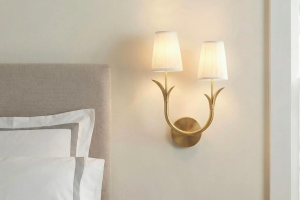
Transitional style in interior design is characterized by a balance between classic and modern elements. It avoids the ornate details of traditional design and the stark minimalism of contemporary design, instead favoring clean lines, neutral palettes, and an emphasis on comfort and practicality. The transitional style linen shade wall light embodies this philosophy, often featuring simple metalwork combined with the soft, textural quality of a linen shade.
Key Characteristics of Transitional Design
- Balance: A harmonious blend of old and new, eschewing extremes.
- Neutral Palettes: Reliance on a subdued color scheme, including grays, beiges, creams, and whites, often accented with natural wood tones.
- Clean Lines: Furniture and fixtures typically exhibit straightforward and uncluttered forms.
- Comfort and Functionality: While aesthetics are important, the design prioritizes livability and practical use.
- Understated Elegance: Rather than overt opulence, transitional design aims for sophistication through simplicity and quality materials.
The Role of Linen in Transitional Lighting
Linen, a natural fiber derived from the flax plant, is a material frequently employed in transitional design. Its subtle texture, durability, and ability to diffuse light softly make it an ideal choice for lampshades. The inherent warmth of linen complements the often neutral color schemes of transitional interiors, adding a tactile element that enhances visual interest without overpowering the space.
Understanding the Components of a Transitional Linen Shade Wall Light
To effectively select and integrate a transitional linen shade wall light, it is beneficial to understand its standard components and how they contribute to the overall aesthetic and functionality.
The Mounting Plate
The mounting plate, often metallic, secures the light fixture to the wall and typically houses the electrical connections. In transitional designs, these plates are usually understated, featuring simple shapes such as circles, squares, or rectangles. Finishes commonly include brushed nickel, oil-rubbed bronze, matte black, or polished chrome, selected to complement the overall color scheme of the room and the fixture’s other metallic elements. The size and projection of the mounting plate contribute to the fixture’s visual prominence.
The Arm or Stem
Connecting the mounting plate to the lamp holder, the arm or stem provides structural support and determines the projection of the light from the wall. Transitional arms are rarely elaborate. They often follow clean lines, either straight or gently curved, avoiding overly decorative flourishes. The length and angle of the arm influence the distribution of light and the fixture’s visual impact, with longer arms potentially drawing more attention.
The Lamp Holder (Socket)
The lamp holder, also known as the socket, is the component into which the light bulb is screwed. Its design is typically concealed by the shade. The capacity of the lamp holder to accommodate different bulb types (e.g., E26, E12) dictates the light output and energy efficiency options available.
The Linen Shade
The linen shade is the defining feature of this type of wall light. Its primary purpose is to diffuse the light emitted by the bulb, creating a softer, more ambient glow rather than direct, harsh illumination. The shape of the shade can vary, from cylindrical and drum shapes to truncated cones or squares, each influencing the spread and character of the light. The color of the linen, typically off-white, cream, or light beige, further impacts light diffusion and the fixture’s visual warmth. The weave and texture of the linen add a subtle visual and tactile layer.
Practical Applications and Placement
The transitional style linen shade wall light offers versatility in its application, making it suitable for a range of rooms and functional requirements in a home.
Illumination in Bedrooms
In bedrooms, these wall lights can serve as bedside reading lamps, mounted on either side of the bed. They free up space on nightstands, providing a clean and uncluttered look. The diffused light from the linen shade is conducive to creating a relaxing atmosphere, while adequate illumination for reading can be achieved with appropriate bulb wattage and color temperature. Consider fixtures with articulating arms for adjustable light direction.
Enhancing Hallways and Corridors
Long hallways and corridors often benefit from multiple light sources to eliminate dark spots and enhance navigation. Transitional linen shade wall lights, spaced evenly along the wall, can provide gentle ambient light, guiding the eye and adding architectural interest without overwhelming the narrow space. Their subdued aesthetic contributes to a sense of calm and flow.
Layered Lighting in Living Areas
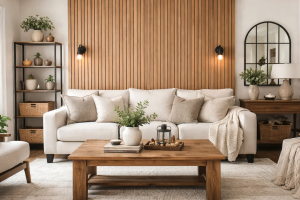
In living rooms or family rooms, these wall lights can contribute to a layered lighting scheme. Paired with overhead lighting and floor lamps, they can provide accent lighting, drawing attention to artwork or architectural features, or offer a softer, more intimate glow for evening relaxation. Their unobtrusive design allows them to integrate seamlessly with other lighting elements.
Task Lighting in Home Offices (with caution)
While not traditionally considered primary task lighting, a well-placed transitional linen shade wall light could supplement primary task lighting in a home office, especially in smaller spaces or when highlighting specific areas like a credenza. However, for direct, focused task lighting, a dedicated desk lamp would typically be more appropriate.
Aesthetic Appeal in Dining Rooms
In a dining room, these fixtures can be mounted on a wall to provide subtle accent lighting, complementing a chandelier or pendant fixture over the dining table. They can enhance the room’s ambiance for meals, creating a warm and inviting atmosphere without competing with the main light source.
Integration with Existing Decor
When selecting a transitional style linen shade wall light, consider how it will integrate with your existing decor. The goal is to achieve a cohesive look that feels deliberate rather than haphazard.
Harmonizing with Color Palettes
Given the neutral nature of transitional design, the linen shade wall light will typically blend well with most color palettes. Choose a metal finish for the fixture (e.g., brushed nickel, black, bronze) that complements other metallic accents in the room, such as door hardware, furniture legs, or other light fixtures. The linen shade itself will likely be a neutral tone, providing a versatile foundation.
Complementing Furniture Styles
Transitional style wall lights are designed to be adaptable. They can bridge traditional furniture with more contemporary pieces. Their clean lines often resonate with both Shaker-style cabinetry and sleeker modern sofas. Avoid highly ornate traditional furniture or extremely minimalist, sharp-edged contemporary furniture if aiming for seamless integration, as these might create a visual dissonance.
Achieving Balance and Scale
The size and scale of the wall light should be proportionate to the wall space it occupies and the room it is in. A small wall light on a large, empty wall may appear insignificant, while an overly large fixture in a confined space can feel overwhelming. Consider the height at which the light is mounted; it should be appropriate for its function (e.g., reading light vs. ambient light) and visually comfortable.
Maintenance and Care
Proper maintenance ensures the longevity and continued aesthetic appeal of your transitional style linen shade wall light.
Cleaning the Metal Components
For metal bases and arms, use a soft, dry cloth to dust regularly. For more thorough cleaning, a slightly damp cloth with mild soap can be used, followed immediately by a dry cloth to prevent water spots or tarnishing. Avoid abrasive cleaners or harsh chemicals, as these can strip finishes.
Caring for the Linen Shade
Linen shades are susceptible to dust accumulation. Use a soft brush attachment on a vacuum cleaner on a low setting, or a lint roller, to remove dust periodically. For minor spots, a clean, damp cloth with a small amount of mild detergent can be dabbed gently on the affected area. Avoid saturating the fabric. For stubborn stains or significant discoloration, professional cleaning may be required. Always ensure the shade is completely dry before reinstalling it or turning on the light.
Bulb Replacement
When replacing bulbs, ensure the fixture is turned off and the bulb has cooled down. Use the correct wattage and bulb type specified by the manufacturer to prevent overheating or damage to the fixture. LED bulbs are often recommended for their energy efficiency and long lifespan, and they produce less heat, which is beneficial for the shade material.
Conclusion
The transitional style linen shade wall light offers a sophisticated and adaptable lighting solution for various domestic environments. Its blend of classic and modern characteristics, coupled with the soft diffusion of light from its linen shade, allows it to integrate discreetly yet effectively into a range of interior design schemes. By carefully considering its components, placement, and maintenance, you can leverage this fixture to enhance both the illumination and aesthetic quality of your living space. Consider it not just as a light source, but as a subtle architectural element that contributes to the overall coherence and comfort of your home.