Enhancing Corridor Ambiance with Ribbed Glass Wall Sconce Lighting
Looking to upgrade your corridor’s lighting and general feel? Ribbed glass wall sconces can be a great option. They offer a unique blend of practicality and understated style, effectively transforming a often-overlooked space into something more inviting and visually interesting. Instead of just throwing light onto a wall, these sconces diffuse it, creating a softer, more layered look that can truly enhance the ambiance of any hallway.
Ribbed glass, sometimes called fluted or reeded glass, isn’t just about aesthetics; it’s about how light interacts with the material.
Diffused Light for a Softer Glow
The primary benefit of ribbed glass is its ability to diffuse light. Unlike clear glass, which can create harsh, direct beams and sharp shadows, the textured surface of ribbed glass scatters the light Hnccom as it passes through. This results in a softer, more even glow that reduces glare and creates a more comfortable environment. Think of it like a natural light filter, softening the edges of your space.
Preventing Undesirable Glare
Corridors, especially narrower ones, can be prone to glare from exposed bulbs. Ribbed glass acts as a subtle screen, preventing direct views of the light source. This is particularly important for eye comfort, making the passage through the corridor a more pleasant experience, especially at night or in areas with lower ambient light.
Adding Visual Texture
Beyond light diffusion, ribbed glass introduces a tactile and visual texture. The subtle grooves catch and reflect light in different ways, adding depth and interest to what might otherwise be a flat surface. This can elevate the overall design without being overly ornate or distracting. It’s a way to introduce a quiet sophistication.
Hiding Fingerprints and Dust
Let’s be honest, cleaning light fixtures isn’t everyone’s favourite pastime. The textured surface of ribbed glass is surprisingly forgiving when it comes to fingerprints and small dust particles. While regular cleaning is still recommended, the visual effect of minor imperfections is far less noticeable compared to smooth, clear glass. This translates to less frequent touch-ups and a consistently cleaner appearance.
Choosing the Right Sconce Style
The design of the sconce itself plays a significant role in how it complements your corridor. It’s not just about the glass; the shape, material, and even the direction of the light all come into play.
Up-lighting vs. Down-lighting
Consider how you want the light to be cast. Up-lighting sconces direct light upwards, bouncing it off the ceiling to create a more ambient, spacious feel. This can be particularly effective in corridors with lower ceilings, as it visually lifts the space. Down-lighting sconces, on the other hand, cast light downwards, creating a more dramatic effect and highlighting the wall texture or floor. Some sconces offer both, providing a balanced dual-directional light.
Backplate and Arm Materials
The materials used for the backplate and any arms are crucial for durability and aesthetic integration.
Metal Finishes
Popular metal finishes include brushed brass, matte black, polished chrome, and brushed nickel. Each offers a different character. Brushed brass lends a warmer, slightly vintage feel. Matte black provides a contemporary, industrial edge. Polished chrome is sleek and modern, while brushed nickel offers a versatile, understated look. Consider what existing hardware or design elements are present in your home to ensure continuity.
Wood Accents
For a touch of warmth and natural aesthetic, some sconces incorporate wood accents. This can be particularly effective in corridors with wooden flooring or furniture, creating a cohesive and inviting environment. The type of wood – oak, walnut, or even a darker stained wood – will influence the final look.
Minimalist Designs
If your corridor leans towards a contemporary or minimalist style, opt for sconces with clean lines and understated backplates. The focus should be on the ribbed glass itself and the quality of light. Avoid overly ornate or heavily adorned designs that can clutter a clean aesthetic.
Practical Placement and Installation
Where and how you install your sconces is just as important as the fixtures themselves. Thoughtful placement can maximize their effect and ensure they serve their practical purpose.
Optimal Height for Illumination
The ideal height for wall sconces generally falls between 60 to 70 inches from the floor to the center of the fixture. This places the light source above eye level for most people, minimizing direct glare and ensuring even light distribution. However, this can vary depending on ceiling height and the scale of the corridor. In corridors with particularly high ceilings, you might go slightly higher to maintain proportion.
Spacing for Even Light Distribution
For longer corridors, multiple sconces will be necessary to provide adequate and even illumination. A good rule of thumb is to space them approximately 8 to 10 feet apart. This prevents dark spots and ensures a consistent level of light. Experimenting with chalk or temporary markers on the wall can help visualize the spacing before drilling.
Considering Corridor Dimensions
Narrow corridors might benefit from smaller, more streamlined sconces that don’t protrude too far from the wall. In wider hallways, you have more flexibility with larger or more prominent designs. Always consider the scale of the fixture in relation to the width and length of your corridor to avoid it feeling either too small and inconsequential or too large and overwhelming.
Electrical Considerations
Ensure you have the necessary electrical wiring in place or plan for professional installation. Retrofitting sconces can be more involved if you don’t have existing junction boxes. Always consult with a qualified electrician for any electrical work.
Integrating with Overall Corridor Design
Lighting isn’t an isolated element; it should work in harmony with the rest of your corridor’s design.
Complementing Existing Decor
Think about the overall style of your home. Are you leaning industrial, modern, traditional, or something else? Your ribbed glass sconces should align with this existing aesthetic. For example, a sleek black metal and ribbed glass sconce would work well in a modern setting, while a brass fixture with a more classic shape might suit a traditional home.
Wall Color and Reflection
Lighter wall colours will reflect more light, making the corridor feel brighter and more spacious. Darker walls will absorb more light, creating a cozier, potentially more dramatic ambiance. The diffused light from ribbed glass sconces can work well with both, as it prevents harsh reflections on glossy surfaces and adds depth to matte finishes.
Mirror Placement
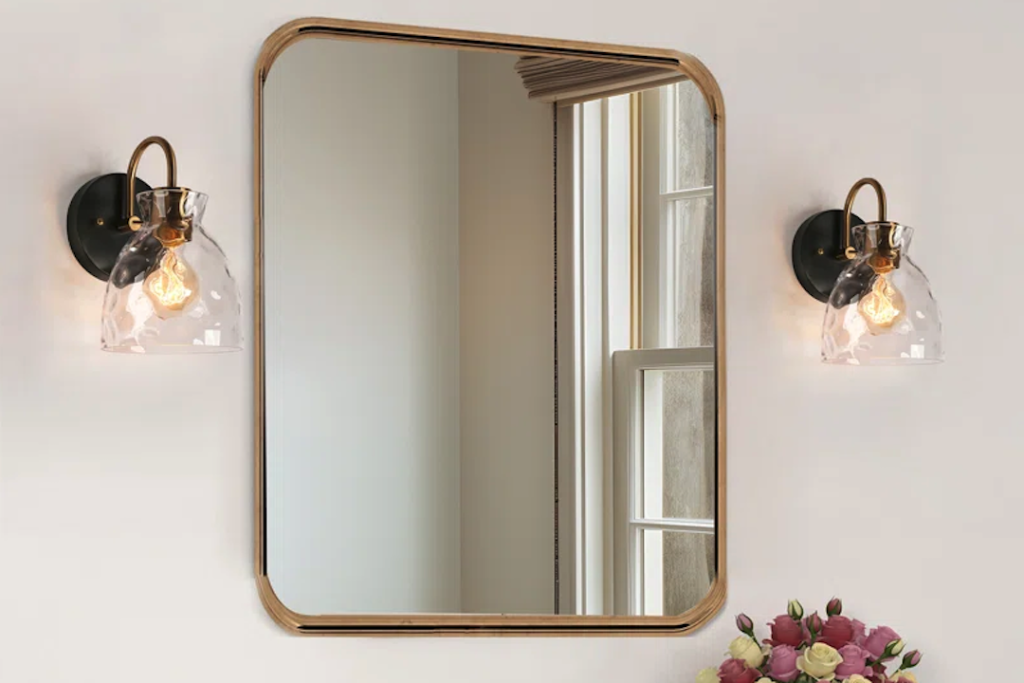
Placing a mirror strategically between sconces can amplify the light and make the corridor feel even larger. The ribbed glass diffuses the light before it hits the mirror, creating a softer, more inviting reflection rather than sharp, blinding glares. This is an effective trick for adding both light and perceived space.
Art and Photo Galleries
If your corridor features artwork or a photo gallery, position the sconces to illuminate these pieces without creating glare or harsh shadows. Up-lighting or dual-directional sconces can be particularly effective for art, providing a gentle wash of light that highlights the pieces without overwhelming them. The soft light from ribbed glass helps ensure that the art is viewed favorably rather than being bleached out by direct light.
Maintenance and Longevity
While ribbed glass sconces offer some advantages in terms of hiding minor imperfections, proper maintenance will ensure their beauty and functionality stand the test of time.
Regular Dusting
Like any light fixture, sconces will accumulate dust. A soft, dry cloth or a feather duster is usually sufficient for regular dusting. For more stubborn dust or cobwebs, a slightly damp cloth followed by a dry one will do the trick. The ribs might require a bit more attention to ensure all dust is removed.
Gentle Cleaning Solutions
For a more thorough clean, especially if there’s any residue or grime, use a mild glass cleaner or a solution of warm water and a tiny amount of dish soap. Apply the solution to a soft cloth, wipe the glass, and then dry immediately with a clean, lint-free cloth to prevent water spots. Avoid abrasive cleaners or harsh chemicals, which can damage the glass or the fixture’s finish.
Checking for Loose Components
Periodically inspect the sconces for any loose screws or fittings, especially after installation or if there are any vibrations in the home. Tightening these components will ensure the fixture remains securely mounted and prolong its lifespan.
Bulb Replacement
When it’s time to replace bulbs, always refer to the manufacturer’s specifications for wattage and bulb type. LED bulbs are generally recommended for their energy efficiency and long lifespan, which means less frequent replacement. They also produce less heat, which is beneficial for the fixture and potentially the surrounding wall.
Ribbed glass wall sconces are a thoughtful, practical choice for enhancing corridor ambiance. They go beyond mere illumination, contributing to the visual texture, comfort, and overall design of a space that often deserves more attention. By considering the factors outlined here – from the unique qualities of ribbed glass itself to careful placement and integration – you can create a corridor that is not just functional but genuinely inviting.