Cozy Bedroom Styling: Linen Shade Table Lamp for Warm Ambient Lighting
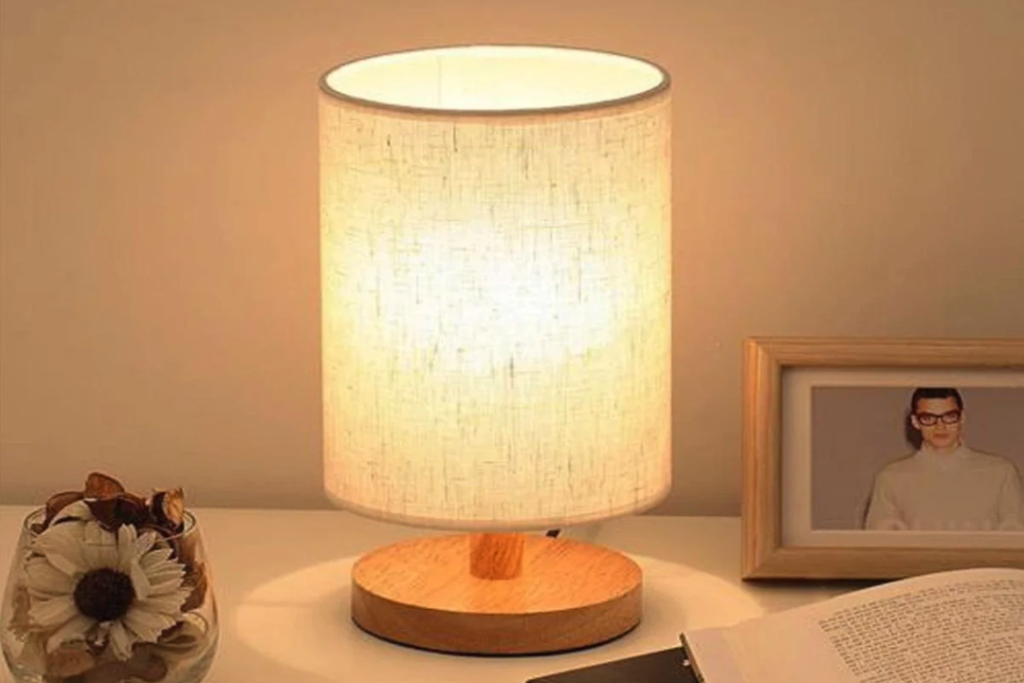
A linen shade table lamp is a solid choice if you’re aiming for warm, ambient lighting in your bedroom. The fabric diffuses light in a soft, inviting way, creating a comfortable atmosphere without being overly bright or harsh.
When we talk about cozy bedroom lighting, it’s not really about the bulb wattage alone. The shade plays a huge role in how that light gets distributed and perceived.
The Diffusion Factor
Linen, being a fabric, has natural variations in its weave. These subtle imperfections are a good thing. They help scatter the light Hnccom from the bulb, softening its output. Instead of a direct, focused beam, you get a gentle glow that fills a space more evenly. This diffusion prevents harsh shadows and bright spots, which are often the culprits behind a less-than-cozy feel.
Color Temperature Matters
While the shade material processes light, the bulb itself dictates the color temperature. For warm ambient lighting, you’ll want bulbs in the “warm white” or “soft white” range, typically 2700K to 3000K. The linen shade then takes this warm light and, through diffusion, makes it feel even softer and more inviting. It’s a bit like putting a filter on a camera lens – the core image is there, but the filter subtly enhances its qualities.
Texture and Visual Warmth
Beyond just the light it emits, a linen shade contributes to the overall visual texture of a room. The natural fibers give it an organic, comfortable look. This tactile quality is important in a bedroom, where you want things to feel welcoming and lived-in. A shiny or overly modern shade material might feel sleek, but it often lacks that inherent warmth that linen provides.
Choosing the Right Lamp for Your Space
Selecting a linen shade table lamp isn’t a one-size-fits-all situation. Consider your existing decor and the specific needs of your bedroom.
Size and Scale Considerations
The size of your lamp should be proportionate to its surroundings. A tiny lamp on a large nightstand will look lost, while an oversized one can overwhelm a smaller space.
Nightstand Placement
For nightstands, consider the height of your bed and the nightstand itself. The bottom of the shade should be roughly level with your shoulder when you’re sitting up in bed. This position helps prevent direct glare into your eyes while still providing ample light for reading.
Dresser or Console Placement
If you’re placing the lamp on a dresser or console, you have a bit more flexibility. Here, the lamp can be more of an accent piece. Think about the overall width of the surface and how the lamp will balance with other items you might have, like books or decorative objects.
Base Materials and Styles
The lamp base can significantly alter the lamp’s overall aesthetic, even with the same linen shade.
Wood Bases
Wood bases often enhance the natural, cozy feel. Light woods like birch or maple can keep a room feeling airy, while darker woods like walnut or oak add a touch of formality and groundedness. The grain of the wood also adds another layer of texture.
Ceramic Bases
Ceramic bases offer versatility in terms of color and finish. A matte ceramic in an earthy tone can be wonderfully subtle, while a glazed ceramic with a slight sheen can add a touch of understated elegance. These can be particularly good for introducing a hint of color without it being overwhelming.
Metal Bases
While many metal bases tend toward a more modern or industrial look, certain finishes can still contribute to a cozy vibe. A brushed brass or antique bronze, for instance, can add warmth and a bit of vintage charm. Avoid highly polished chrome or stainless steel if your primary goal is coziness, as these can feel cooler.
Achieving Optimal Ambient Lighting
It’s not just about turning on the light. How you use it makes a difference.
Dimmer Switches are Your Friend
A dimmer switch is one of the most effective tools for creating adjustable ambient lighting. It allows you to tailor the light intensity to your activity and mood.
Flexibility for Various Activities
Bright light is useful for activities like getting dressed or cleaning. But when you’re winding down, reading in bed, or just want a soft glow for relaxation, a dimmer lets you dial it down. This flexibility is key to making your bedroom feel truly adaptable and comfortable.
Energy Efficiency
Beyond ambiance, dimmers also contribute to energy savings. Running bulbs at lower wattages uses less electricity and can extended bulb life, which is a practical benefit that often goes overlooked.
Layering Light Sources
Relying on a single light source, even a good one, often results in a flat, uninteresting room. Layering light adds depth and functionality.
General Ambient Lighting
This is where your linen shade table lamps come in. They provide a soft, overall glow that reduces harsh contrasts. This foundational layer prepares the room for additional lighting.
Task Lighting
For specific activities like reading in bed, you might consider an additional small reading light with a more focused beam. This could be a wall-mounted lamp with an adjustable arm or a small clip-on light. The key is that it provides enough light for the specific task without disturbing the overall ambient feel.
Accent Lighting
Accent lighting is about highlighting specific features – a piece of art, a plant, or architectural detail. This is often achieved with small spotlights or even battery-operated LED strips. In a bedroom, subtle accent lighting can add visual interest and a sense of refinement.
Incorporating the Lamp into Your Decor Style
A linen shade lamp is quite versatile. It can fit into a range of interior design styles without feeling out of place.
Minimalist Aesthetics
In a minimalist room, a linen shade lamp provides textural interest without adding clutter. Choose a simple, understated base – perhaps a clean-lined wooden one or a plain matte ceramic. The natural light diffusion aligns well with the minimalist principle of simplicity and functionality. The lamp becomes a functional piece of art, contributing to the serene atmosphere.
Rustic and Farmhouse Styles
Linen’s natural, earthy qualities make it a perfect match for rustic and farmhouse decor. Pair it with a distressed wood base, a wrought iron base, or even a woven rattan base for an even more organic feel. The warm light it casts reinforces the welcoming, unpretentious nature of these styles. Think about linen’s natural fibers complementing other natural materials in the room, such as raw wood, jute, or cotton.
Scandinavian and Japandi Designs
Both Scandinavian and Japandi styles emphasize natural materials, functionality, and a sense of calm. A linen shade lamp fits right in. Opt for a light-colored linen shade and a natural wood or simple ceramic base. The soft, diffused light supports the airy and tranquil atmosphere that these design philosophies aim for. The uncluttered lines of a Scandinavian lamp base, combined with the natural warmth of linen, creates a harmonious and functional piece.
Bohemian and Eclectic Mixes
For a bohemian or eclectic space, a linen shade lamp can act as a grounding element. While bohemian styles often embrace vibrant colors and diverse textures, the linen shade offers a moment of visual calm and natural material. You could pair it with a more ornate or unique lamp base to lean into the eclectic vibe, or keep the base simple to let the shade’s texture shine. It helps tie together disparate elements with its understated charm.
Maintenance and Care for Longevity
Keeping your linen shade lamp looking good doesn’t take much effort, but a little routine care can make a big difference.
Regular Dusting
Linen, like any fabric, will attract dust. A gentle dusting a few times a month can prevent buildup.
Using a Microfiber Cloth
A clean, dry microfiber cloth is ideal for dusting lamp shades. Its fibers are designed to trap dust without leaving lint behind. Gently wipe down the shade, ensuring you reach all surfaces.
Soft Brush Attachments
For more stubborn dust or if your shade has a textured surface, a soft brush attachment on your vacuum cleaner can be very effective. Ensure the suction is on a low setting to avoid damaging the fabric. Work in a downward motion to lift dust away.
Spot Cleaning Minor Stains
Accidents happen. For small spots, a quick response is usually the most effective.
Gentle Soap and Water
For most non-greasy stains, a tiny amount of mild dish soap diluted in water can work wonders. Dampen a clean, white cloth (don’t soak it) with the solution and gently blot the stain. Avoid rubbing vigorously, which can spread the stain or damage the fabric. Always test in an inconspicuous area first.
Air Drying
After spot cleaning, allow the shade to air dry completely. Don’t use a hairdryer, as direct heat can sometimes set stains or warp the fabric. Ensure the area is well-ventilated to speed up the drying process. Patience here is key to avoiding further issues.
Protecting from Direct Sunlight
While linen is durable, prolonged exposure to direct sunlight can cause fading over time.
Strategic Lamp Placement
Consider where your lamp is placed in relation to windows. If it’s in a spot that gets direct sun for a large part of the day, think about using curtains or blinds to filter the light during peak hours. This small adjustment can help preserve the shade’s color and integrity.
Rotating Shades
If possible, occasionally rotating the shade can help ensure even exposure to ambient light and prevent one side from fading more than another. This isn’t always practical, but it’s an option for shades that get a lot of indirect, but consistent, light.