Bauhaus-Inspired Pendant Transforms Dining Room Lighting
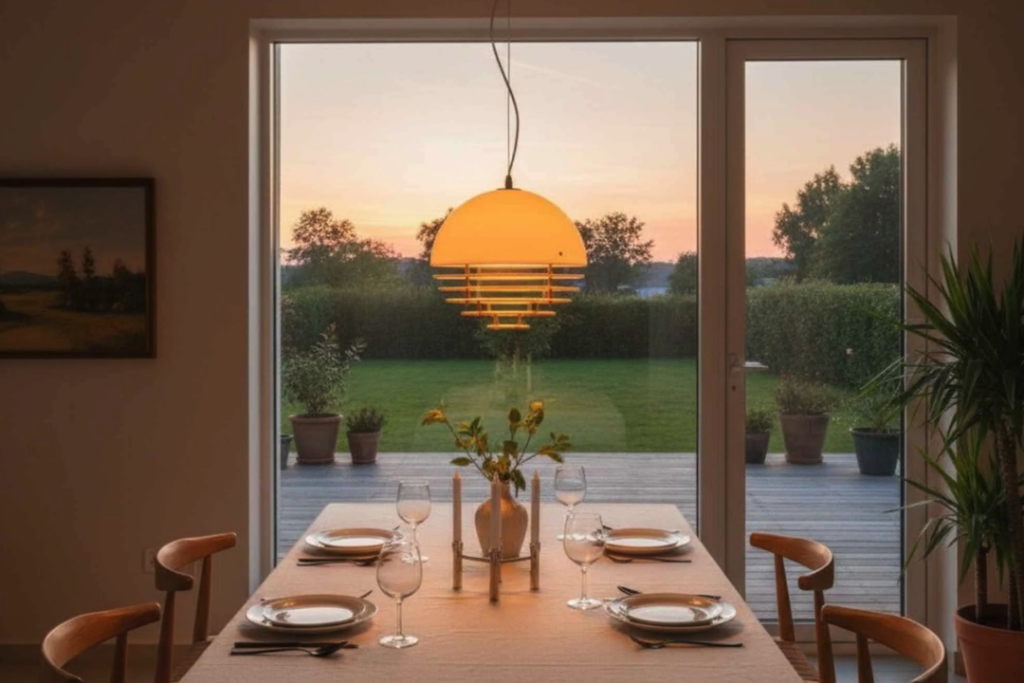
So, you’re looking to transform your dining room lighting, and a Bauhaus-inspired pendant has caught your eye? Good choice. The core idea here is that a well-designed Bauhaus pendant lamp isn’t just a light source; it’s a statement piece that can redefine the entire atmosphere of your dining area, bringing in a blend of function, form, and timeless aesthetic. It’s about more than just illumination; it’s about creating a focal point that subtly elevates the space.
Bauhaus design, born from the influential German art school of the early 20th century, championed a philosophy of form follows function, emphasizing clean lines, geometric shapes, and a minimalist approach. This isn’t about being trendy; it’s about enduring design principles. For your dining room, this translates to a light Omelighting fixture that is both practical and beautiful, without unnecessary ornamentation. It’s furniture, art, and utility rolled into one. When you choose a Bauhaus-inspired piece, you’re not just buying a lamp; you’re investing in a design legacy that still feels contemporary today.
The Appeal of Simplicity
One of the cornerstones of Bauhaus is its commitment to simplicity. In a dining room, where conversations and shared meals are the focus, you don’t want a light fixture that overwhelms the space. A Bauhaus pendant provides illumination without demanding all the attention. Its clean lines and often monochromatic palette allow it to integrate seamlessly into various interior design styles, from ultra-modern to more classic homes. It’s about clarity in design, ensuring the light serves its purpose effectively while adding a touch of sophisticated understatement. Think of it as a quiet anchor, grounding the room without shouting for attention.
Functional Elegance
Beyond aesthetics, Bauhaus design prioritizes functionality. A pendant lamp over a dining table needs to provide adequate, well-distributed light. Bauhaus-inspired fixtures are engineered with this in mind. They often feature thoughtful details in their construction that direct light where it’s most needed, reducing glare and creating a comfortable dining environment. This isn’t just about brightness; it’s about the quality and direction of the light. The elegance comes from the solution to a functional problem, not from decorative flourishes.
Timeless Design
Trends come and go, but good design lasts. Bauhaus principles have stood the test of time, influencing generations of architects and designers. Investing in a Bauhaus-inspired pendant means choosing a piece that won’t look dated in a few years. Its inherent classicism ensures it remains relevant and stylish, providing a lasting appeal that transcends fleeting fads. This longevity is a practical benefit, preventing the need for frequent replacements or updates.
Choosing the Right Bauhaus Pendant
Selecting the perfect pendant isn’t just about picking one you like. It involves considering several factors to ensure it complements your dining room and meets your practical needs.
Size and Scale Considerations
The dimensions of your pendant are crucial. A fixture that’s too small will look lost, while one that’s too large can overpower the table and the room. A good rule of thumb is to choose a pendant that’s at least half to two-thirds the width of your dining table. If you have a particularly long table, you might consider multiple smaller pendants to achieve balanced illumination and aesthetic harmony. Height is also key – the bottom of the pendant should typically be about 30-36 inches above the tabletop to avoid obstructing views and to provide ample light without glare.
Materiality and Finish
Bauhaus design often favors industrial materials and finishes, celebrating their inherent properties.
Metal Finishes
Many Bauhaus pendants feature metals like steel, aluminum, or brass.
- Matte Black or White: These are classic choices that offer a sophisticated, minimalist look. They’re versatile and can easily blend with existing décor.
- Brushed Steel or Aluminum: These provide a subtle, modern industrial vibe that’s clean and understated. They reflect light gently, contributing to an ambient glow.
- Brass or Copper Accents: While less common for the entire fixture, small brass or copper details can add a touch of warmth and elegance without sacrificing the minimalist aesthetic. These metals will patina over time, adding character.
Glass Elements
While less common than metal, some Bauhaus-inspired designs incorporate glass, often frosted or opal, to diffuse light softly. This creates a warmer, more inviting glow, which can be particularly appealing in a dining setting. The key is that the glass is still part of a geometric, purposeful design, rather than being purely decorative.
Light Direction and Output
Consider how the pendant directs light. Some pendants offer direct downward light, perfect for illuminating the tabletop. Others might provide a more diffused, ambient glow. Many Bauhaus designs excel at a blend, offering focused light downward while also allowing some light to escape upwards or sideways to create overall room illumination.
- Direct Illumination: Ideal for task lighting on the table, ensuring food and faces are well-lit.
- Diffused Light: Creates a softer, more inviting atmosphere, reducing harsh shadows.
- Upward Light: Can help bounce light off the ceiling, making the room feel larger and brighter.
Understanding your lighting needs will guide your choice. For a dining room, a balance is often best – enough direct light for the table, but also enough ambient light to avoid a stark, clinical feel.
Integrating Your Bauhaus Pendant into Your Decor
A Bauhaus pendant can be a standalone statement, or it can complement your existing decor. The beauty of these designs lies in their adaptability.
Harmonizing with Existing Styles
You don’t need a perfectly minimalist home to incorporate a Bauhaus pendant. Its clean lines and simple forms allow it to pair well with a surprising range of styles.
- Modern and Contemporary: This is a natural fit. The pendant will seamlessly integrate into a modern environment, enhancing the existing aesthetic.
- Mid-Century Modern: The clean lines and functional design of Bauhaus complement the iconic furniture and decor of the mid-century era beautifully.
- Industrial: Many Bauhaus designs draw from industrial aesthetics, making them perfect companions for exposed brick, metal accents, and reclaimed wood.
- Transitional: Even in a more traditional setting with a mix of old and new, a Bauhaus pendant can offer a refreshing, contemporary contrast, preventing the room from feeling dated. The stark simplicity can act as a grounding element.
- Scandinavian: The shared emphasis on functionality, light, and natural materials makes for an excellent pairing.
Creating a Focal Point
Even in a very eclectic room, a well-chosen Bauhaus pendant can become an instant focal point. Its geometric purity and purposeful design naturally draw the eye. When guests enter the dining room, their gaze will naturally be drawn upwards to this architectural element, setting the tone for the space. This is where the pendant transforms from a mere light source into a key design element.
Complementary Elements
Consider how lighting interacts with other elements in your dining room.
Furniture Choices
- Geometric Dining Tables: Tables with clean lines and geometric bases will naturally complement the pendant’s aesthetic.
- Minimalist Chairs: Chairs with simple forms, made from wood, metal, or upholstered in solid colors, will enhance the overall Bauhaus feel. Avoid overly ornate or heavily carved furniture.
- Buffets and Sideboards: Choose pieces that are also functional and understated, echoing the pendant’s design philosophy.
Wall Art and Decor
- Abstract or Geometric Art: Artwork that features geometric shapes, bold colors, or abstract forms will reinforce the Bauhaus aesthetic.
- Minimalist Mirrors: A large, unframed mirror or one with a simple metal frame can enhance the sense of space and reflect the pendant’s light.
- Subtle Textures: While Bauhaus emphasizes smooth surfaces, introducing subtle textures through textiles (like a linen tablecloth or simple rug) can add warmth without distracting from the overall clean look.
Installation and Practical Considerations
Once you’ve chosen your pendant, proper installation is key to both aesthetics and safety. Don’t cut corners here.
Professional Installation
Unless you have experience with electrical work, it’s highly recommended to hire a qualified electrician. This ensures the fixture is installed safely, correctly wired, and properly grounded. They can also advise on ceiling support, especially for heavier fixtures, and ensure the dimming capabilities are correctly set up. This isn’t just about functionality; it’s about peace of mind.
Dimmer Switches are Your Friend
A dimmer switch is almost non-negotiable for a dining room pendant. It allows you to adjust the light output to suit different moods and occasions. Bright light for everyday meals and homework, and a softer, warmer glow for intimate dinners or entertaining. This ability to control the ambiance significantly enhances the versatility and enjoyment of your dining space. Ensure that both your pendant and your light bulbs are compatible with dimmers.
Bulb Selection Matters
The type of bulb you use will greatly impact the light quality and the overall feel of the room.
- LED Bulbs: Energy-efficient and long-lasting, LEDs are a practical choice. Look for bulbs with a color temperature around 2700K-3000K for a warm, inviting glow, which is ideal for a dining room. Avoid harsh, cool white light (4000K+).
- Smart Bulbs: For even more control, smart bulbs allow you to adjust brightness and color temperature from your phone, and can be integrated into smart home systems.
- Vintage-Style Filaments: While not strictly Bauhaus, these can add a touch of warmth and visual interest, especially if the bulb is partially exposed within the pendant design. Just ensure the light output is sufficient and that it contributes to the desired atmosphere.
Consider the bulb’s shape and transparency. If the bulb is visible, choose one that complements the pendant’s design. Some Bauhaus pendants are designed to conceal the bulb entirely, focusing solely on the fixture’s form.
Beyond the Dining Room: The Enduring Bauhaus Legacy
The principles that make a Bauhaus pendant excellent for your dining room extend to its broader impact on design. Understanding this legacy helps appreciate the value of your chosen fixture.
Influencing Modern Furniture Design
Bauhaus wasn’t just about lighting; it revolutionized furniture. The use of tubular steel, integrated functionality, and a stripping away of ornament seen in chairs by Marcel Breuer or tables by Marianne Brandt mirrors the philosophy expressed in their lighting. When you choose a Bauhaus pendant, you’re tapping into a consistent aesthetic across various design disciplines. This consistency is part of its enduring appeal and contributes to creating a cohesive, well-designed home.
The Art of the Everyday Object
One of the Bauhaus school’s central tenets was to bridge the gap between art and industry, elevating everyday objects to works of art. A pendant light, often a utilitarian item, became an object of thoughtful design. This isn’t about making lighting “fancy”; it’s about making it “good” – good in its form, good in its function, and good in its ability to enhance the human experience. Your pendant isn’t just hanging there; it’s an example of this philosophy.
Sustainability Through Durability
In a world increasingly concerned with consumption and waste, the enduring quality of Bauhaus design is inherently sustainable. A well-made Bauhaus-inspired pendant is built to last, both structurally and aesthetically. You won’t need to replace it due to a flimsy build or outdated appearance, reducing waste and offering a wise long-term investment. This is a practical, silent nod to environmental responsibility. Good design stands for itself for years, rather than being a disposable trend.
Common Misconceptions to Avoid
Before you finalize your decision, let’s clear up a few common misunderstandings about Bauhaus and pendants.
Bauhaus Isn’t Always Stark White
While white and black are dominant in many Bauhaus designs, the movement also embraced primary colors (red, blue, yellow) and sometimes natural material tones. Don’t feel limited to a strictly monochromatic palette. A pendant might feature a bold flash of color or an interesting material contrast, as long as it adheres to the principles of functionality and clean lines. The key is intent and purpose, not just color restriction.
Functionality Doesn’t Mean Uncomfortable
Some people assume “functional” means utilitarian and cold. In Bauhaus, functional means well-designed for its purpose, which includes creating a comfortable and pleasant environment. A dining room pendant, for example, is designed to illuminate food and faces beautifully, facilitating conversation and enjoyment, not just brightness. The human experience is central to its functionality.
“Inspired By” Versus Original
Be aware of the difference between original, collectible Bauhaus fixtures and modern “Bauhaus-inspired” pieces. While originals are collector’s items with hefty price tags, high-quality inspired pieces capture the essence and aesthetic at a much more accessible price point. Focus on the quality of construction and adherence to the design principles, regardless of whether it’s an antique or a new interpretation. There is a lot of fantastic, contemporary design that draws heavily from Bauhaus without being a direct replica, and these often offer the best blend of modern manufacturing and classic aesthetics.
Ultimately, a Bauhaus-inspired pendant light is more than just a fixture; it’s a carefully considered piece that profoundly impacts the feel and function of your dining room. By prioritizing thoughtful design, material integrity, and appropriate scale, you’ll be able to select a pendant that not only illuminates your meals but also elevates your entire space with timeless elegance. It’s about making a deliberate design choice that speaks to clarity, purpose, and enduring style in the heart of your home.