Sunset-inspired Geometric Orb: Home Decor with Light Therapy
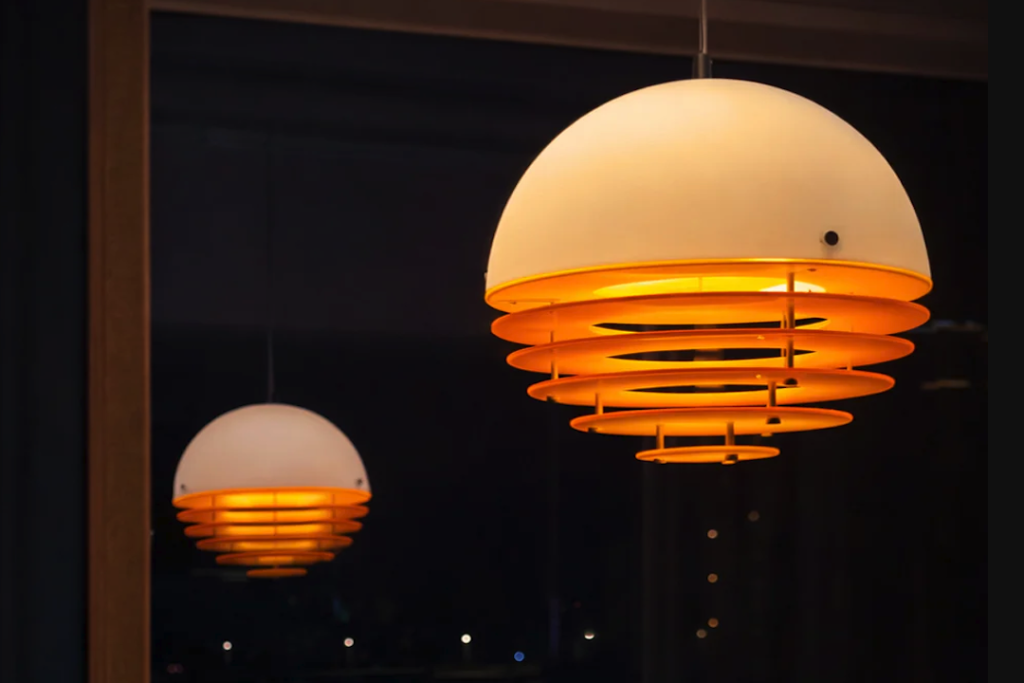
Looking to bring some calm and color into your home? A sunset-inspired geometric orb with light therapy capabilities can be a fantastic way to do just that. Essentially, it’s a stylish light fixture designed to mimic the soothing, color-changing light of a sunset, often incorporating features like specific light wavelengths for therapeutic benefits. Think of it as a chic, multi-functional decor piece that does more than just illuminate a space – it actively works to improve your mood and well-being.
At its core, this isn’t just another lamp. It’s a fusion of art, technology, and well-being. The “sunset-inspired” part refers to its ability to cycle through warm, natural hues – reds, oranges, and yellows – much like the sky during dusk. This isn’t a random color show; these specific light Dililamp spectra are often chosen for their calming and mood-enhancing properties, tapping into our natural circadian rhythms.
Beyond Just a Light Source
Traditional lamps illuminate. These orbs, however, are designed to create an atmosphere. They use advanced LED technology to produce a spectrum of colors that can shift subtly or dramatically, depending on the model and your preferences. The geometric aspect often refers to its design – think clean lines, multifaceted surfaces, or spherical forms that make it a statement piece even when turned off.
The “Light Therapy” Component Explained
This is where the orb truly distinguishes itself. Many models incorporate specific light wavelengths known to have therapeutic effects. This isn’t medical-grade light therapy, but rather a more accessible, ambient form. For instance, reddish hues are often associated with relaxation and winding down, while warmer oranges can be uplifting without being overly stimulating. It’s about leveraging the power of color and light to subtly influence your mood and environment.
The Science Behind Sunset Hues and Well-being
It’s not just an aesthetic choice; there’s a real connection between the colors of a sunset and our biology. Our bodies are incredibly responsive to light, and specific wavelengths can trigger different physiological responses.
Circadian Rhythms and Light
Our internal body clock, the circadian rhythm, is heavily influenced by natural light. Bright blue light in the morning signals wakefulness, while the diminishing blue and increasing red light at dusk signals that it’s time to prepare for sleep. Sunset-inspired orbs tap into this by providing those warmer, less alerting hues.
The Psychological Impact of Warm Colors
Think about how you feel looking at a sunset – generally relaxed, calm, perhaps a little reflective. Warm colors like red, orange, and yellow are often associated with comfort, warmth, and even passion. In contrast, cool colors like blues and greens can be more stimulating or even create a sense of vastness. By filling a room with these sunset tones, especially in the evening, the orb can help create a sense of coziness and reduce stress.
Low-Intensity Red Light Benefits (Beyond the Orb)
While a home decor orb isn’t a medical device, the principles it draws from are based on established areas like red light therapy (RLT). RLT, in a clinical setting, uses specific red and near-infrared wavelengths to penetrate tissues and cells, promoting various benefits like reduced inflammation and improved skin health. The sunset orb isn’t delivering clinical-strength RLT, but it utilizes the soothing qualities of the red/orange spectrum, which can contribute to relaxation and potentially aid in winding down for sleep by avoiding blue light exposure. It’s a gentler, ambient approach to leveraging similar color principles for general well-being.
Features to Look For in a Geometric Light Therapy Orb
When you’re considering bringing one of these into your home, it’s good to know what features make a difference. This isn’t a one-size-fits-all product, and understanding the options will help you choose the best fit for your needs and space.
Customization and Control
A good orb allows for flexibility. Look for options that offer a wide range of colors beyond just a static sunset. Does it have pre-programmed light sequences? Can you create and save your own custom color gradients?
App vs. Remote Control
How do you control it? Some orbs come with a physical remote, which can be convenient. Others integrate with smartphone apps, offering more precise control over color, brightness, and special effects. If you’re tech-savvy, an app-controlled orb might be more appealing, allowing for deeper customization and even integration with smart home systems.
Dimmability and Brightness Range
Can you adjust the intensity of the light? A wide dimming range is crucial for mood lighting. You’ll want it bright enough to make an impact, but also subtle enough for a relaxed evening atmosphere.
Design and Aesthetics
The “geometric orb” part isn’t just a name; it’s a key element of its appeal. The device itself should look good in your home.
Materials and Finish
What is it made from? Think about materials like brushed aluminum, matte plastics, or even natural wood bases. The finish (e.g., glossy, matte, metallic) will also impact how it looks and feels in your space.
Size and Placement Options
Consider where you intend to put it. Is it meant for a bedside table, a living room console, or even a floor stand? The size and whether it’s battery-powered or requires a wall outlet will influence placement. Some smaller orbs might be portable, offering more flexibility.
Integrated Smart Features (Optional but Nice)
Modern devices often come with extra perks. These aren’t essential, but they can enhance the experience.
Smart Home Integration
Does it work with Alexa, Google Home, or Apple HomeKit? If you have an existing smart home ecosystem, seamless integration can be a big plus for voice control and automation.
Timers and Schedules
Can you set it to turn on or off at specific times, or to slowly fade in or out like a natural sunrise/sunset? This can be particularly useful for winding down in the evening or gently waking up in the morning.
Sound Integration (Less Common)
Some high-end models might even integrate with sound, offering ambient noises or music to accompany the light show. This is rarer but can create an even more immersive experience.
Placement and Integration within Your Home
Where you put your sunset-inspired orb can make a significant difference to its effect. It’s not just about finding an empty spot; it’s about optimizing its light and aesthetic impact.
Creating an Ambiance in the Living Room
In a living room, consider placing the orb where its light can subtly wash a wall or corner. This creates a soft glow that can delineate a cozy reading nook or simply add warmth to a social space. Avoid placing it directly in eye-level if it’s too bright; instead, aim for indirect lighting that bounces off surfaces.
Enhancing Bedside Serenity
For a bedroom, a smaller orb on a nightstand can be incredibly effective. Using it as a gentle “sleep prep” light by dimming it to warm reds and oranges an hour before bed can signal to your body that it’s time to wind down. In the morning, a slow fade-in of warmer, brightening light can act as a more natural alarm clock.
Accenting a Workspace (Carefully)
While the primary use is relaxation, a subtle orb can potentially enhance focus in a home office, especially if you’re prone to seasonal affective disorder or just need a mood boost. Using warmer, gentler light throughout the day can sometimes be less harsh than overhead office lighting. However, be mindful of blue light exposure if you’re trying to wind down in the evening. For intense work periods, neutral white light is generally preferred, so the orb should be used for ambiance rather than primary illumination.
Harmonizing with Existing Decor
The geometric design of these orbs often allows them to blend with various decor styles – minimalist, modern, industrial, or even bohemian. Consider the orb’s color and material finishes. A black matte orb might suit a monochrome palette, while one with a wooden base could complement a more naturalistic interior. The goal is for it to feel like an intentional part of your home, not an afterthought.
Potential Benefits of Ambient Light Therapy at Home
While not a substitute for clinical intervention, incorporating ambient light therapy, even in a milder form like a sunset orb, offers a range of potential well-being improvements.
Relaxation and Stress Reduction
The most immediate benefit is often a heightened sense of calm. Warm, soft light can signal to our brains that it’s time to relax, reducing the physiological arousal associated with stress. As daylight fades, exposing ourselves to less stimulating light can help shift our mood from active to serene.
Improved Sleep Quality (Indirectly)
By avoiding harsh, blue-spectrum light in the hours leading up to bedtime, and instead opting for the warm, red-orange tones of a sunset orb, you can help support your body’s natural melatonin production. Melatonin is the hormone that signals sleep readiness. Disrupting its production with bright, cool light can make falling asleep harder. The orb essentially provides a visual cue for your body to prepare for rest.
Mood Enhancement and Seasonal Support
During darker months, or for those who experience the ‘winter blues,’ the simulated warm light can offer a psychological lift. While not a cure for SAD, consistent exposure to pleasant, warm light can certainly contribute to a more positive mood and combat feelings of gloominess associated with lack of natural light. It’s about bringing a slice of that uplifting sunset feeling indoors, irrespective of the weather outside.
Creating a Mindful Space
Beyond the direct physiological effects, a sunset orb can help cultivate a more mindful home environment. The changing colors invite you to pause, observe, and simply be. It can become a focal point for evening rituals – reading, meditating, or simply unwinding – turning a mundane space into a sanctuary of calm. This deliberate act of creating a peaceful atmosphere can, over time, reinforce positive habits and a greater sense of well-being.