Space-Saving Exposed Bulb Portable Lamp for Cozy Reading Nooks
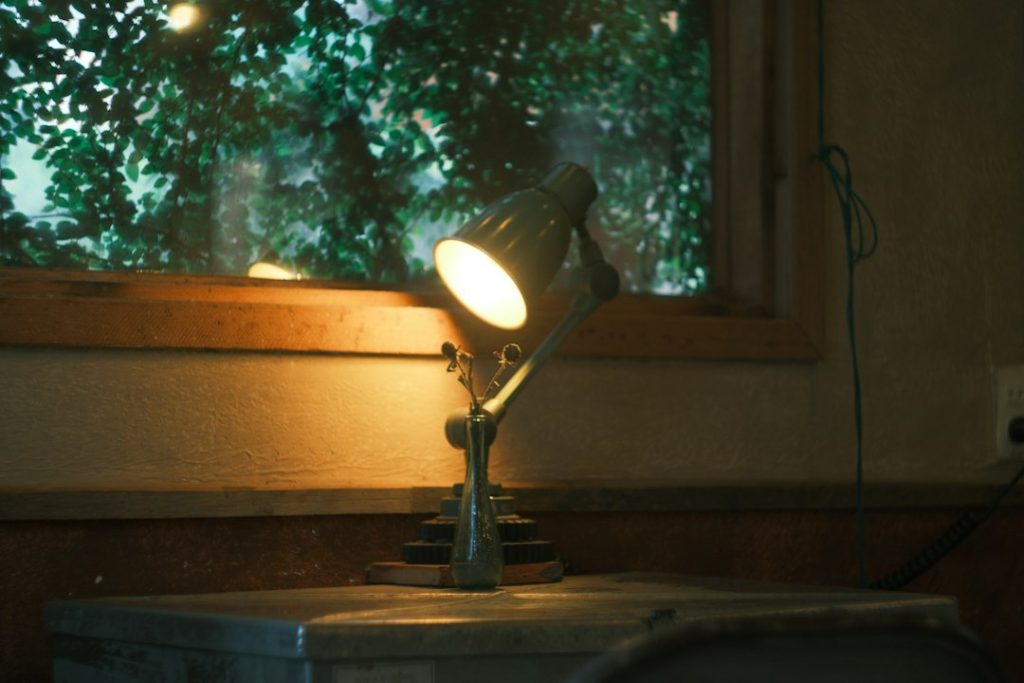
Yes, a space-saving exposed bulb portable lamp is absolutely a fantastic choice for cozy reading nooks. It delivers focused light where you need it, often without taking up much surface area, and its portability means you can easily move it around as your reading habits or decor change.
Why Exposed Bulb Works for Reading Nooks
When we talk about exposed bulb lamps, we’re really talking about a certain aesthetic and a practical consideration. Unlike lamps with shades that diffuse light broadly, an exposed bulb can provide a more direct, sometimes even industrial, feel. For reading, this directness is a real asset.
Direct, Focused Illumination
Reading requires good, focused light. A shaded lamp, while often lovely for ambient room lighting, can sometimes spread light too widely, diminishing its intensity at the actual page you’re trying to read. An exposed bulb, particularly if it’s a directional or even a bare bulb on a flexible neck, puts the light exactly where your eyes need it. This reduces eye strain and makes those tiny print paragraphs much more decipherable. Think about it: you’re not trying to light up the whole room; you’re trying to light up a few square inches of paper.
Minimalist Aesthetic Appeal
Reading nooks are often about creating a personal, intimate space. A chunky lamp with a large shade can sometimes feel bulky and visually interrupt that cozy vibe. An exposed bulb lamp, by its very nature, is often more streamlined. It’s less about a decorative shade and more about the light source itself, and the fixture that holds it. This minimalist approach can complement a variety of decor styles, from Scandinavian to industrial to even a rustic farmhouse look, without overwhelming the small footprint of a reading nook. It lets the book and the comfort of the nook take center stage.
Space Efficiency is Key
This is where “space-saving” really comes into play. Many exposed bulb portable lamps are designed with a small footprint in mind. They might be clip-on, have a slender base, or even be designed to hang. In a reading nook, which by definition is usually a smaller, designated area, every inch counts. You might have a small side table, a built-in shelf, or even just the arm of a comfortable chair. A bulky lamp just isn’t practical. The exposed bulb design often allows for a more compact and less obtrusive fixture.
Types of Portable Exposed Bulb Lamps for Nooks
Not all exposed bulb lamps are created equal, especially when portability and space are concerns. There are several popular styles that fit the bill perfectly for a reading nook.
Clip-On Lamps
These are arguably the most space-saving option. A clip-on lamp, as the name suggests, has a sturdy clip that allows you to attach it to a shelf, the edge of a desk, a headboard, or even the arm of a sturdy armchair. The light source, often a flexible gooseneck with an exposed bulb (or a small, directional LED that mimics an exposed filament), can then be angled precisely.
Advantages of Clip-Ons
The main advantage here is zero footprint on a surface. If your reading nook has no table space, a clip-on is a lifesaver. They are also incredibly versatile; you can move them from one spot to another in seconds. Many come with long cords or even rechargeable batteries, increasing their portability. They’re usually quite affordable too.
Considerations for Clip-Ons
Make sure the clip is strong enough for where you intend to put it. A weak clip on a thick surface will frustrate you. Also, consider the weight of the lamp head – if it’s too heavy for the gooseneck, it might droop. And while many are designed to be aesthetically pleasing, some can still look a bit utilitarian, which might not suit every decor style.
Small Task Lamps with Slender Bases
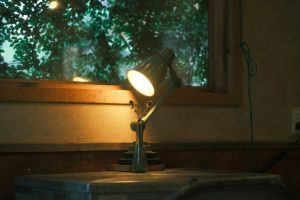
These lamps are like miniature versions of desk lamps. They have a small, stable base and often feature a flexible neck or adjustable arm that culminates in an exposed bulb or a very small, minimalist housing. Their design is inherently about task lighting.
Design and Stability
The slender base ensures they take up minimal surface area on a small table or shelf. The adjustability is crucial for directing light onto your book. Look for models with a well-weighted base; a flimsy base will lead to tippy lamps, which is irritating when you’re trying to relax. The aesthetic can range from sleek modern metal to a more vintage-inspired look with exposed brass or copper elements.
Power and Cord Management
Since these will sit on a surface, consider how the cord will run. Does your reading nook have an accessible outlet? Some models now offer USB charging or even built-in wireless charging pads in their bases, adding functionality beyond just lighting.
Hanging or Wall-Mounted Plug-In Lamps
While not strictly “portable” in the same way a clip-on is, a plug-in hanging or wall-mounted lamp offers excellent space-saving benefits and can be considered “portable” in the sense that it doesn’t require hardwiring. These often feature an exposed bulb on the end of a cord that plugs into a standard outlet. They might hang from a hook or mount to the wall with a simple bracket.
Vertical Space Utilization
This is their superpower. By using vertical space, you free up all surface area. A hanging lamp can drape artfully from a ceiling hook, or a wall-mounted swing-arm lamp can be positioned over your chair. This is particularly effective in really small nooks where even a slender-base lamp feels like too much.
Installation and Aesthetics
Installation is usually quite simple – a screw for a hook or a couple of screws for a bracket. The cord itself can become part of the aesthetic; some come with braided fabric cords in interesting colors. The exposed bulb look is very prominent here, often a larger Edison-style bulb that adds warmth and character.
Key Features to Look for in Your Lamp
Beyond the type of lamp, there are specific features that will make or break your reading nook lighting experience. These practical details matter a lot.
Bulb Type and Brightness
The “exposed bulb” concept often brings to mind traditional incandescent bulbs, but LED technology has opened up many more options.
LED Advantages
LEDs are incredibly energy-efficient, run cool (important for an exposed bulb that you might accidentally brush against), and last a very long time. Many modern exposed-filament-style bulbs are actually LEDs designed to mimic the warm glow and intricate filaments of vintage incandescents. This gives you the best of both worlds: aesthetic appeal and practical benefits.
Color Temperature (Kelvin)
For reading, you generally want a warmer light, typically in the 2700K to 3000K range. This is often described as “soft white” or “warm white.” Cooler light (higher Kelvin numbers, like 4000K+) can be harsh and less conducive to relaxation. Read the bulb packaging to confirm the Kelvin rating.
Lumens and Wattage Equivalency
Lumens measure brightness. For focused reading, you probably want something in the 400-800 lumen range, which is roughly equivalent to a 40-60 watt incandescent bulb. Some lamps come with integrated LEDs, so you won’t choose the bulb separately, but the manufacturer should still state the lumen output.
Flexibility and Adjustability
A static light source might work for general room lighting, but for reading, adjustability is paramount. You need to direct the light onto your book, not into your eyes or broadly around the room.
Goosenecks and Pivoting Heads
Lamps with flexible goosenecks allow for precise positioning. They can be bent, twisted, and angled in almost any direction. Pivoting heads, where the light source itself can tilt or rotate, offer a similar, though sometimes less granular, level of control. This adjustability is key to preventing glare and ensuring optimal illumination of your reading material.
Arm Length and Reach
Consider how far the lamp needs to reach from its base or clip point to your book. A clip-on lamp with a short gooseneck might struggle to reach if clipped to a high shelf. Similarly, a small task lamp needs enough arm length to extend over your shoulder or to the side of your reading chair.
Power Source and Portability
“Portable” means different things to different people. For a reading nook, it often means easily moved or not tethered to a specific power outlet.
Corded vs. Cordless
Most lamps are corded, requiring an outlet. This is fine if your nook has one conveniently located. However, for ultimate portability, battery-powered or rechargeable options are excellent.
Rechargeable Battery Options
Rechargeable exposed bulb lamps are becoming more common. They offer true freedom to place the lamp anywhere, even outdoors on a patio if your nook extends there. Look for decent battery life and a standard charging port (USB-C is ideal). Be aware that battery-powered options might be slightly less bright than corded ones at their peak, but usually sufficient for reading.
Styling Your Reading Nook with an Exposed Bulb Lamp
It’s not just about functionality; the lamp is also a design element. An exposed bulb lamp can really enhance the aesthetic of your reading nook.
Complementing Your Decor
Because they are often minimalist, exposed bulb lamps are surprisingly versatile.
Industrial and Modern Styles
An exposed bulb naturally fits an industrial aesthetic, especially if the fixture is made of metal (blackened steel, brass, copper) with visible wires or simple mechanics. For modern decor, sleek lines, matte finishes, and geometric shapes with a clean, clear bulb look fantastic.
Bohemian and Eclectic Vibes
Don’t rule them out for more bohemian or eclectic spaces. A simple cord-hung exposed bulb, perhaps with a decorative, oversized LED filament bulb, can add an artisanal or relaxed feel. Paired with textured fabrics, natural materials, and potted plants, it blends right in.
Small Space Integration
In tiny nooks, the lamp should feel like it belongs, not like it’s muscling in. The exposed bulb, being less visually heavy than a shaded lamp, helps achieve this. Choose finishes that blend or provide a subtle contrast without dominating the space.
Choosing the Right Bulb for Aesthetics
While we discussed bulb types for brightness, the look of the bulb is also a huge part of the “exposed bulb” appeal.
Edison-Style Filaments
These are probably what most people picture. The intricate, glowing filaments (now often LED) inside a clear or amber-tinted glass bulb add a warm, vintage charm. They emit a very soft, ambient light that’s perfect for setting a cozy mood, though you might need a slightly brighter one if it’s your only light source for reading.
Clear Globe Bulbs
A simpler, clear globe bulb (again, often LED) offers a cleaner, more contemporary look. It provides unhindered light without the visual “busy-ness” of a filament. These are great for a more minimalist or modern aesthetic.
Smoked or Frosted Glass
For a softer, diffused glow, some exposed bulbs come with smoked or lightly frosted glass. This slightly mutes the direct glare while still allowing the bulb’s shape to be a decorative element. This is a good option if you find clear bulbs a little too bright or stark for your taste.
Creating the Right Ambiance
A reading nook isn’t just a place to read; it’s a sanctuary. The lighting plays a huge role in creating that feeling.
Layering Light
While your exposed bulb lamp will provide task lighting, consider how it works with other light sources in the room. A dimmer switch on your portable lamp is a fantastic feature, allowing you to dial down the brightness when you’re just relaxing or listening to music, and crank it up for focused reading. Ambient room lighting can also soften the contrast around your bright reading light, making the overall space feel more inviting.
Warmth and Comfort
The warm light output (2700K-3000K) of many exposed bulb LEDs is inherently cozy. This contrasts with harsher, bluer light that can feel clinical. Pair this warm light with soft textiles, comfortable seating, and perhaps a warm beverage, and you’ve got the perfect recipe for a cozy reading retreat. The lamp itself, by being simple and functional, contributes to a sense of calm and unpretentiousness, which is exactly what a good reading nook should embody.
Maintenance and Safety for Your Lamp
Even a simple lamp needs a little care and attention to ensure it remains safe and functional. Exposed bulbs, in particular, have a few unique considerations.
Bulb Handling and Replacement
Unlike lamps with shades, where you might only touch the bulb when it needs replacing, an exposed bulb is, well, exposed.
When Replacing Bulbs
Always ensure the lamp is unplugged and the bulb is cool to the touch before attempting to remove or replace it. Exposed bulbs, especially older incandescent or halogen types, can get very hot. Even LED filament bulbs, while cooler, can still be warm. Use a clean, dry cloth or gloves to handle new bulbs, especially clear glass ones, to avoid leaving fingerprints which can etch onto the glass when heated.
Cleaning Exposed Bulbs
Dust accumulation on an exposed bulb can reduce its light output and even pose a slight fire risk if it builds up excessively on a hot bulb (though this is less of a concern with modern, cooler LEDs). Periodically, wipe down the bulb with a dry, soft cloth when the lamp is off and cool. For stubborn smudges, a slightly damp cloth followed by immediate drying is usually sufficient. Avoid harsh cleaners.
Cord Management and Placement
The cord, often a key part of a portable lamp, needs proper attention for safety and aesthetics.
Avoiding Tripping Hazards
For a portable lamp, especially one you might move frequently, ensure the cord isn’t running across high-traffic areas where it could be tripped over. Use cord clips or ties to secure it neatly along a wall, under furniture, or around a table leg if possible. This not only looks better but prevents accidents.
Protecting the Cord
Cords can get damaged by being pinched under furniture, frayed by pets, or repeatedly bent at sharp angles. Inspect the cord periodically for any signs of wear and tear, especially near the plug and where it enters the lamp fixture. A damaged cord is a safety hazard and should be replaced or repaired by a qualified person, or the lamp should be discarded. Don’t daisy-chain multiple extension cords to reach your nook; use one appropriate-length cord.
General Care and Longevity
Simple habits can significantly extend the life of your lamp and ensure continued safe operation.
Gentle Handling
Especially with clip-on or adjustable lamps, avoid forcing joints or over-bending goosenecks beyond their intended range. While designed to be flexible, excessive force can damage the internal wiring or the structural integrity of the lamp.
Keeping it Clean
Wipe down the lamp’s base and arm regularly with a soft, dry cloth to prevent dust and grime buildup. For metal finishes, avoid abrasive cleaners that could scratch or dull the surface. For painted finishes, a slightly damp cloth followed by drying is usually sufficient. A clean lamp not only looks better but can also dissipate heat more effectively if applicable, extending component life.
Storing When Not in Use
If your portable lamp is truly portable and gets stored away when not needed, coil the cord neatly rather than tangling it. Store it in a place where it won’t be crushed or have heavy items placed on top of it. This simple practice prevents cord damage and keeps the lamp ready for its next use.